
TL;DR:
- Stoneware cups excel in heat retention, tactile appeal, and durability, making them ideal for mindful daily rituals. Their grounded, textured surfaces and substantial weight enhance slow-living practices and elevate the drinking experience. As versatile gifts, they embody intentionality and long-lasting value, especially when carefully cared for and thoughtfully chosen.
There's a particular kind of frustration that comes with buying a cup that looks stunning on the shelf but feels all wrong in your hands by 7am. For Australians who are building more intentional mornings, whether that's a slow pour-over, a meditative tea session, or a cacao ritual on the back deck, the vessel matters as much as what's inside it. Stoneware cups have quietly moved to the centre of this conversation, and not just for aesthetic reasons. This article unpacks seven genuine advantages of stoneware cups, covering everything from sensory benefits and heat retention to gifting practicality and long-term care.
Table of Contents
- What makes stoneware special for everyday use?
- Sensory and slow-living benefits: Why stoneware fits the ritual
- Comparison: Stoneware vs glass, metal and porcelain
- Gifting advantages: Why stoneware cups make thoughtful presents
- Care, maintenance and practical tips for stoneware longevity
- A fresh perspective: Why stoneware is about more than nostalgia
- Discover artisan stoneware for mindful gifting and living
- Frequently asked questions
Key Takeaways
| Point | Details |
|---|---|
| Superior heat retention | Stoneware cups keep your drinks warmer for longer, making them ideal for slow sipping. |
| Tactile and mindful | The grounded, hand-made feel of stoneware encourages presence and sensory enjoyment in every use. |
| Ideal for gifting | Stoneware cups offer unique designs and universal appeal, making them a thoughtful choice for any occasion. |
| Easy care ensures longevity | With proper care, stoneware cups can last for years while retaining their beauty and function. |
What makes stoneware special for everyday use?
Stoneware sits in a fascinating middle ground between earthenware and porcelain. It's fired at higher temperatures, typically between 1200°C and 1300°C, which produces a dense, non-porous body that's both tough and tactilely rich. That firing process is what gives stoneware its defining qualities for daily rituals.
The most immediately noticeable advantage is heat retention. Stoneware cups hold heat better than glass and sit comfortably alongside other mid-range ceramic materials, which directly supports the kind of slower sipping that mindful mornings are built around. You're not rushing to finish your coffee before it turns cold. Instead, the warmth lingers, and so does the moment.
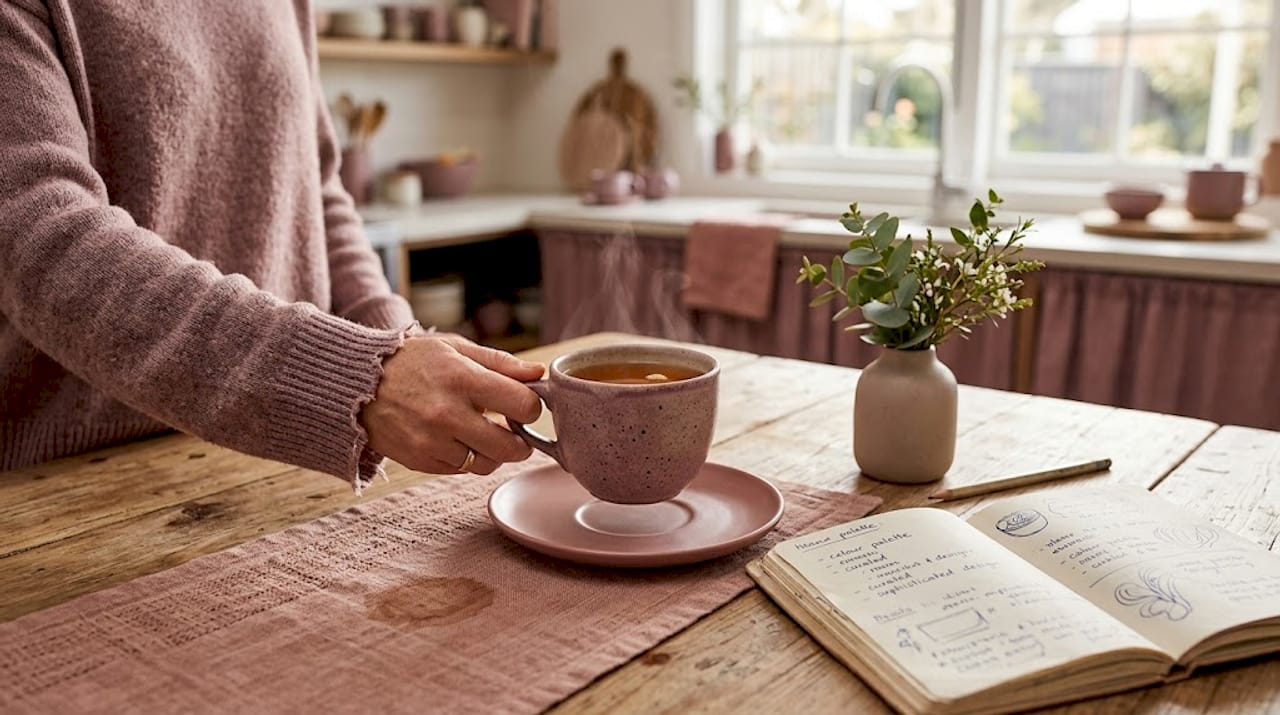
Beyond temperature, the tactile quality of stoneware is genuinely distinct. The slight texture on the surface, whether it's a matte glaze, a raw clay exterior, or a reactive glaze finish, invites a kind of conscious contact that smooth glass or thin porcelain simply doesn't offer. You find yourself wrapping both hands around the cup rather than lifting it by the handle. That small shift in physical engagement actually brings you into the present moment. These coffee ritual insights explain why the choice of vessel shapes the experience at a surprisingly deep level.
The weight of stoneware also plays a role. A properly made stoneware cup has a grounded, substantial feel. It doesn't feel heavy in a burdensome way. It feels intentional.
"The cup you hold each morning becomes part of the ritual itself. Weight, warmth, and texture all signal to your body and mind: slow down, this moment is worth staying in."
Key qualities stoneware brings to everyday use:
- Superior heat retention compared to glass
- Rich tactile surface that invites mindful handling
- Substantial weight that encourages presence and stillness
- Dense body that resists staining and absorbs minimal flavour
Pro Tip: Before buying, think about how you hold your cup. If you're a two-handed holder, look for stoneware with a wider, shorter profile that nestles comfortably into cupped palms.
When you understand the material, you can make far more deliberate choices about how to elevate daily rituals using the right pieces.
Sensory and slow-living benefits: Why stoneware fits the ritual
After understanding the material, we can see how stoneware enhances the pleasure of daily rituals. The slow-living movement isn't just a hashtag, it's a genuine recalibration of how people want to spend their mornings and quiet moments. And stoneware fits that recalibration almost perfectly.
The sensory experience of drinking from stoneware is layered. You feel the warmth of the liquid through the walls. You notice the slight drag of a matte glaze against your fingertips. The sound of setting a stoneware cup down on a timber bench is different from glass, softer and more grounded. These aren't trivial details. They're the building blocks of a ritual that actually lands.
Artisan stoneware cups are specifically suited for longer hot-drink sessions precisely because of their grounded hand-feel and slower cooling profile. This is especially relevant for tea drinkers who prefer to steep and sip over twenty or thirty minutes, or for anyone practising a morning cacao ceremony.
How stoneware supports slow-living rituals:
- Retains warmth long enough to support unhurried sipping
- Tactile texture creates a sensory anchor during mindfulness or meditation
- Handmade pieces offer visual variety that makes each morning feel distinct
- Natural glazes and clay tones complement botanical, earthy styling
One underrated aspect is the visual dimension. A handmade stoneware cup in a speckled grey or warm terracotta glaze looks different depending on the light at 6am versus midday. That visual aliveness is something mass-produced mugs rarely achieve. Living with beautiful, handmade objects genuinely affects how you feel about your space and your routines.
Pro Tip: Pair your stoneware cup with a slow ritual like journalling, stretching, or simply sitting without a screen. The grounded feel of the cup becomes part of the practice, not just a container for a beverage.
Exploring ritual and gifting tips can help you think about how cups function within a broader set of morning habits, and how to share those habits with people you care about.
Comparison: Stoneware vs glass, metal and porcelain
To make a smart choice, it helps to see how stoneware stacks up against other common options. Each material has its place, but for mindful daily use and thoughtful gifting, the differences matter.
| Material | Heat retention | Tactile feel | Durability | Artisanal appeal | Best for |
|---|---|---|---|---|---|
| Stoneware | Excellent | Warm, textured | Very high | High | Rituals, gifting, daily use |
| Glass | Poor | Cool, smooth | Moderate | Low | Visual presentation |
| Metal | Good | Cold, industrial | Very high | Low | Travel, outdoors |
| Porcelain | Moderate | Smooth, refined | Moderate | Moderate | Formal or decorative use |
As the table shows, stoneware holds heat better than glass, which matters enormously if you tend to get distracted mid-morning and return to your cup ten minutes later. Glass cools quickly and can feel fragile in a daily-use context, particularly for households with children or active mornings.
Metal is durable and holds heat reasonably well, but there are two real drawbacks. First, it can impart a faint metallic flavour to sensitive drinks like green tea or specialty coffee. Second, it simply doesn't invite the same physical warmth or intimate contact that stoneware does. You're unlikely to wrap both hands around a metal cup in a moment of quiet reflection.
Porcelain is elegant and often beautiful, but it's typically thinner and less heat-retentive than stoneware. It's also more prone to chipping along rims. For formal or decorative settings it excels, but for the kind of daily, hands-on use that slow-living encourages, stoneware has a clear edge.
Standout stoneware advantages at a glance:
- Warmth that transfers through the cup wall to your hands
- Artisanal appearance that suits modern Australian interiors
- Durability that makes it genuinely suitable for daily use, not just display
- Thicker walls that protect flavours and maintain brew temperature
Browsing a well-curated range of ceramic coffee mugs will give you a clear sense of how varied stoneware can be, from minimalist neutrals to expressive reactive glazes.
Gifting advantages: Why stoneware cups make thoughtful presents
With the pros and cons stacked up, let's focus on gifting, one of the biggest advantages for Australian shoppers. The challenge with buying a gift is finding something that feels personal without requiring inside knowledge. Stoneware cups sit in a remarkable sweet spot here.
A practical guide to choosing stoneware gifts:
- Identify the recipient's ritual. Are they a coffee person, a tea drinker, or someone who favours herbal infusions? Cup size and shape should follow function.
- Look for explicit food-safety claims. When buying handmade ceramics, seek out pieces labelled lead-free and cadmium-free, particularly for gifts to families with children.
- Check care requirements before purchasing. Artisanal glazes can vary significantly in their care needs, and some decorative glazes, like crackle finishes, may have restrictions around microwave use or soaking.
- Consider the presentation. A stoneware cup in thoughtful packaging, perhaps with a small bag of specialty tea or coffee, becomes a complete gift experience.
- Match aesthetics to personality. Earthy neutrals suit minimalist homes. Reactive glazes with colour variation suit more expressive personalities.
The artisanal quality of handmade stoneware immediately distinguishes a gift from anything you'd find at a generic department store. There's an inherent care signal in gifting something handmade. It says: I considered this. I thought about you.
Did you know? The global handmade ceramics market continues to grow, with consumers consistently rating handmade and locally made goods as feeling more meaningful and personal than mass-produced alternatives.
Stoneware cups are also appropriate across an unusually wide range of occasions: housewarmings, birthdays, Mother's Day, Father's Day, end-of-year teacher gifts, and simply because you saw something beautiful and thought of someone. That versatility is genuinely rare in the gift world.
Pro Tip: When gifting stoneware, include a small care card. It shows extra thoughtfulness and helps the recipient keep their piece in perfect condition for years.
For more on how to present ceramics memorably, explore these gifting style tips that go into detail on wrapping, pairing, and occasion matching.
Care, maintenance and practical tips for stoneware longevity
Ensuring your gift or daily-driver cup lasts is simple with these care insights. Stoneware is one of the more forgiving ceramic materials, but a few habits will keep it looking and performing beautifully for years.
Stoneware care checklist:
- Handwash with a gentle, non-abrasive detergent when possible
- Avoid sudden temperature changes, for example, don't pour boiling water into a very cold cup
- Check your specific piece for microwave and dishwasher compatibility, especially if it features special glazes
- For reactive or crackle glazes, avoid prolonged soaking in water
- Dry thoroughly before stacking to prevent moisture damage to unglazed bases
The most important step before purchasing or gifting stoneware is to read the care instructions specific to that glaze type. As noted in selection guidance for Australian shoppers, food-safety claims and care notes should be explicit and accessible. If a maker or retailer can't tell you clearly whether a piece is lead-free or dishwasher-safe, that's a red flag.
The good news is that high-quality stoneware from reputable makers is designed for real daily use, not just display. When you invest in a well-made piece, the care requirements are minimal and the reward is a cup that improves in character with use. The glaze develops a subtle patina, and the cup becomes distinctly yours.
Pro Tip: Store stoneware cups upright rather than stacked. Stacking can cause rim chips over time, particularly if the cups are a snug fit.
When you're ready to gift a complete experience, a curated set from a quality collection of ceramic gift sets takes the guesswork out of pairing and presentation.
A fresh perspective: Why stoneware is about more than nostalgia
It's tempting to read the stoneware trend as a nostalgic swing, a reaction to screens and speed, an aesthetic borrowed from grandmothers' shelves and farmhouse kitchens. But that reading misses something important.
The renewed interest in stoneware cups among Australians reflects a real cultural shift in how people want to inhabit their time at home. The pandemic accelerated something that was already building: a desire to make ordinary moments feel more purposeful. The cup you use every morning is one of the few objects you interact with while genuinely still, before the day's noise begins. That's not a trivial touchpoint.
Stoneware doesn't demand a slow morning. It invites one. There's a meaningful distinction there. You're not performing a lifestyle when you choose a handmade cup over a generic one. You're creating a small, physical prompt to pause. The weight of the cup in your hands, the warmth moving through the clay, the specific colour of the glaze in morning light: these sensory cues are subtle, but cumulatively they shift how you experience the first hour of your day.
We also think there's something worth saying about permanence. In a culture that normalises buying and discarding quickly, a stoneware cup that lasts ten or twenty years with minimal care represents a different value system. One that the slow-living community is actively choosing, not as an aesthetic posture, but as a genuine alternative to throwaway consumption.
For anyone curious about building these rituals more deliberately, the ideas around artisan mug rituals offer practical and inspiring starting points.
Discover artisan stoneware for mindful gifting and living
If this article has clarified what you're looking for in a cup, whether for your own slow mornings or as a gift that genuinely means something, Muggie brings together a curated selection of handcrafted ceramic tableware designed for exactly this kind of use.
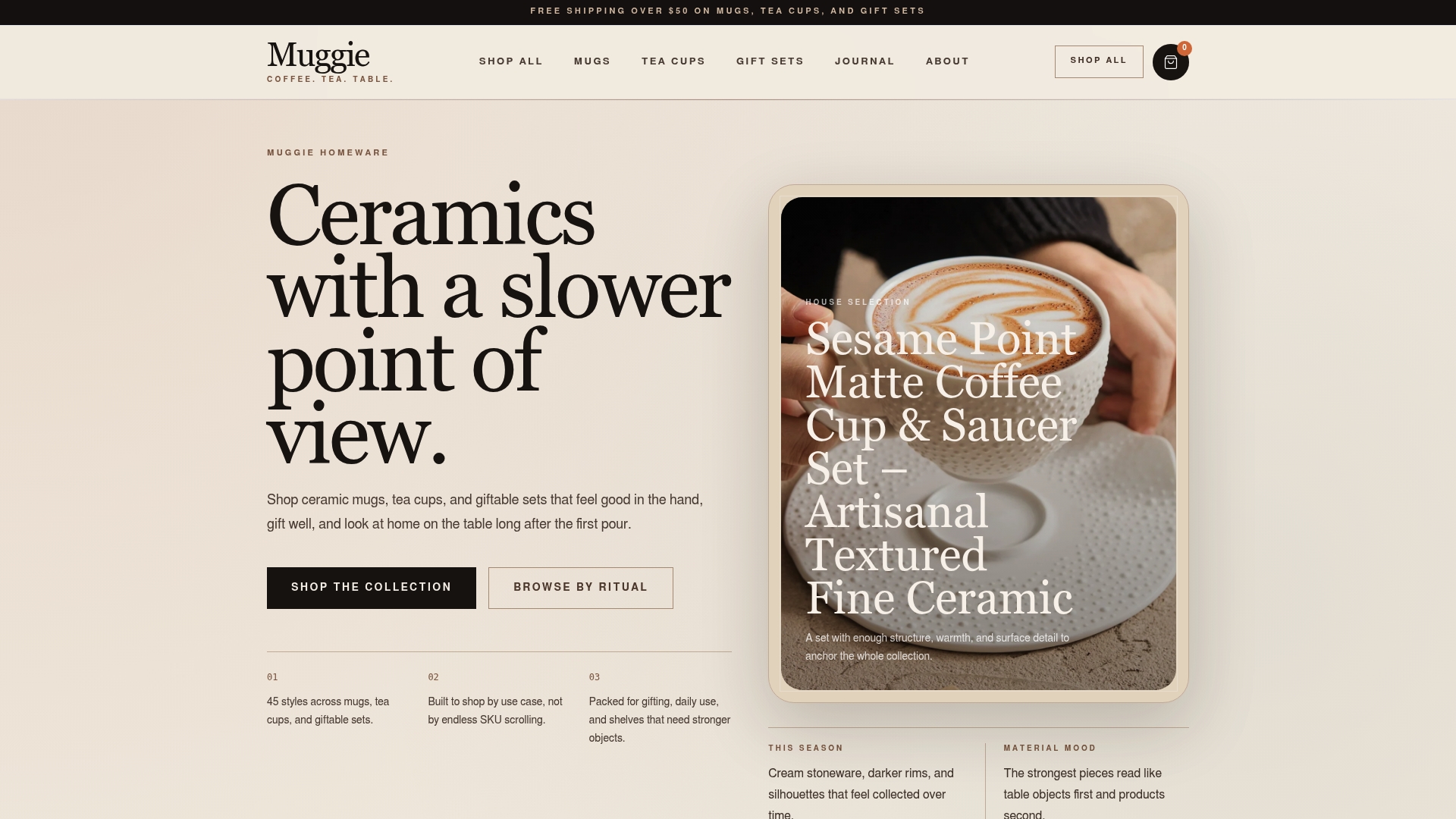
Every piece in the collection is chosen with daily ritual and thoughtful gifting in mind. From a single ceramic tea cup that anchors your afternoon practice, to complete giftable ceramic sets that arrive beautifully presented and ready to give, the range is deliberately curated rather than overwhelming. If you're ready to explore pieces that bring food-safe quality, artisanal design, and genuine slow-living functionality together, the full collection at Muggie is a considered place to start.
Frequently asked questions
Are all stoneware cups safe for microwave and dishwasher use?
Not all are. Care instructions and glaze details vary by maker, and some artisanal glazes, including crackle finishes, may have restrictions around microwave use or prolonged soaking.
Does stoneware keep drinks hotter than glass or metal?
Yes. Stoneware holds heat better than glass and feels warmer and more inviting to hold than metal, making it well suited to slow, unhurried sipping.
Are stoneware cups a good gift for any occasion?
Stoneware cups work beautifully across a wide range of occasions, from housewarmings and birthdays to everyday appreciation gifts, thanks to their tactile, grounded appeal and universal suitability for hot drinks.
How do I clean stoneware cups to preserve their design?
Handwash with a gentle detergent and avoid abrasive scrubbing. Always follow the maker's care guidance to protect specialist glazes and keep colours vibrant.