
TL;DR:
- Mug shape, material, and weight actively influence the sensory and emotional coffee experience.
- Cultural traditions use specific mug designs, like handleless cups, to promote mindfulness and community.
- Choosing intentional, handcrafted ceramic mugs enhances daily rituals and meaningful gift-giving.
There is a good chance you have never thought twice about the mug sitting on your bench this morning, yet it is quietly shaping everything about your coffee experience. Research confirms that mugs elevate coffee rituals through sensory, psychological, and cultural roles that go far beyond simple containment. The weight in your hand, the curve of the rim, the warmth radiating through ceramic walls — each detail is doing something. This article unpacks the science, the cultural traditions, and the practical choices that transform an ordinary cup of coffee into a genuinely mindful, deeply satisfying ritual.
Table of Contents
- Why mugs matter: The science behind your coffee experience
- Cultural rituals: Tradition, community and hospitality
- Choosing the right mug: Practical tips for enhancing daily rituals
- Handcrafted mugs and gifting: Creating lasting moments
- A fresh perspective: Why the mug is your secret ritual tool
- Find your handcrafted mug for mindful rituals
- Frequently asked questions
Key Takeaways
| Point | Details |
|---|---|
| Ceramic mugs enhance flavour | Scientific studies show ceramic mugs improve coffee taste and sensory experience. |
| Shape impacts aroma and taste | Choosing the right mug shape can boost aroma or enhance sweetness in your brew. |
| Mugs are cultural symbols | Many rituals use unique mugs to express hospitality, mindfulness and tradition. |
| Intentional mug selection matters | Selecting mugs by material, shape and design transforms coffee routines into mindful rituals. |
| Handcrafted mugs elevate gifting | Giving a handcrafted ceramic mug creates emotional connections and lasting rituals. |
Why mugs matter: The science behind your coffee experience
Most people choose a mug based on size or whether it fits under their coffee machine. Very few stop to consider that the physical form of the vessel is actively altering what they taste, smell, and feel. Sensory science has spent years investigating this, and the results are genuinely surprising.
A large-scale empirical study found that ceramic mugs produce higher coffee liking scores compared to other materials. This is not a matter of preference or habit. Ceramic interacts with coffee differently to glass, metal, or plastic. It is thermally stable, tasteless, and odourless, meaning it does not interfere with the coffee's natural flavour compounds. It also retains heat in a way that keeps your coffee in its ideal sensory window for longer.
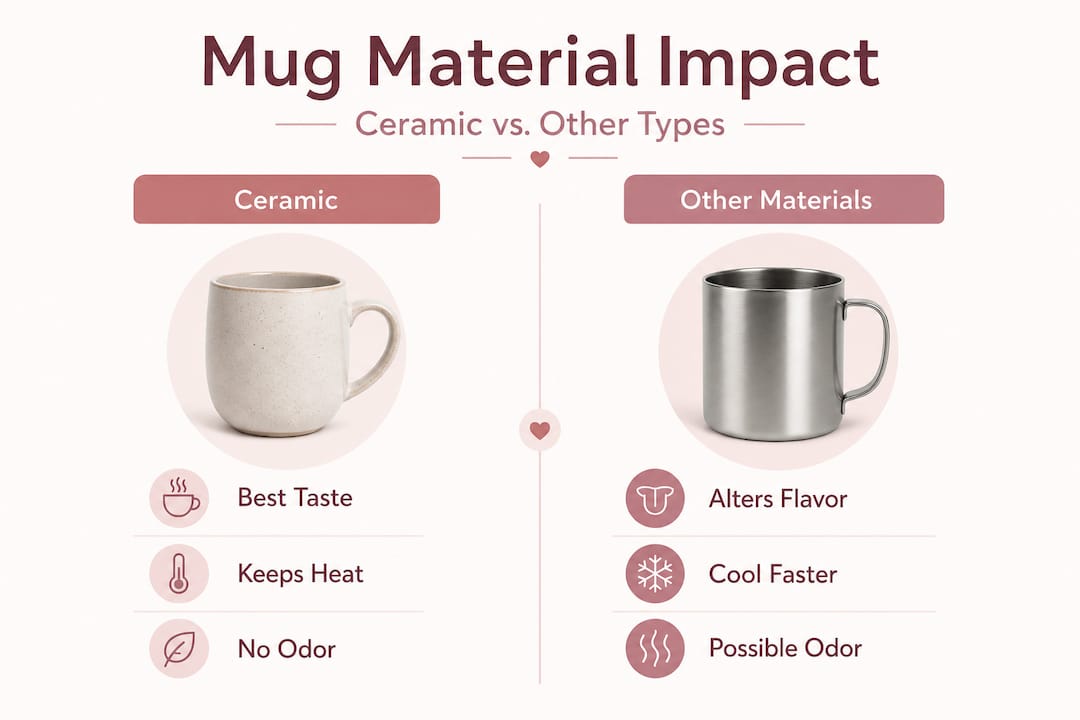
Shape is where things get especially interesting. Research into mug shape and aroma reveals that tulip-shaped mugs, which narrow slightly at the top before flaring out, concentrate aromatic compounds in the headspace above the liquid. This makes your first sip smell significantly more complex. Wide-mouthed mugs, by contrast, allow those compounds to disperse quickly, but they also expose more liquid surface to the air, which can amplify sweetness and acidity. Neither is universally better. Each serves a different sensory purpose depending on the coffee and the drinker.
Rim geometry and weight also play roles that most people never consciously register. A thinner rim encourages a cleaner pour of liquid onto the palate, while a thicker rim can make the experience feel more robust and grounded. Heavier mugs tend to signal quality and slow the pace of drinking, which fits beautifully with a mindful morning routine. According to mug mechanics research, shape also directs aroma via headspace geometry, and the material's thermal profile directly affects how flavour compounds present to your palate.
Here is a quick comparison of how shape influences your sensory experience:
| Mug shape | Aroma concentration | Taste emphasis | Best suited for |
|---|---|---|---|
| Tulip (narrows at top) | High | Balanced complexity | Specialty espresso, pour-over |
| Wide-mouthed | Low to medium | Sweetness and acidity | Milk-based coffee, long blacks |
| Straight-sided cylinder | Medium | Even, clean | Filter coffee, black coffee |
| Lidded mugs | Significantly reduced | Muted | Travel only, convenience |
One finding that surprises most people: white mugs statistically intensify the perceived bitterness of coffee through visual contrast. If you find your morning brew tastes sharper than expected, your mug's colour could be part of the equation. Switching to a muted earth tone or a darker ceramic finish can subtly soften that bitterness. You can explore more about these mug sensory design facts if you want to go deeper on the visual and tactile dimensions of ceramic design.
Key sensory factors to consider when choosing a mug:
- Material: Ceramic is the gold standard for taste neutrality and heat retention
- Shape: Tulip for aroma, wide mouth for sweetness and acidity balance
- Rim thickness: Thinner rims offer a cleaner, more refined drinking experience
- Weight: Heavier mugs slow you down and encourage presence
- Colour: Warm, muted tones reduce perceived bitterness compared to stark white
"The vessel is not passive. Every physical choice — from clay to glaze to curve — shapes the moment of drinking in ways science is only beginning to fully catalogue."
Pro Tip: If you want to taste your coffee more fully, choose a tulip-shaped ceramic mug and drink without a lid. This small shift can noticeably open up the aroma and complexity of even an everyday brew.
Cultural rituals: Tradition, community and hospitality
Beyond sensory science, coffee rituals are steeped in cultural meaning, where mug design becomes a symbol of tradition. The vessel you drink from has always said something about who you are, who you are with, and what you value.
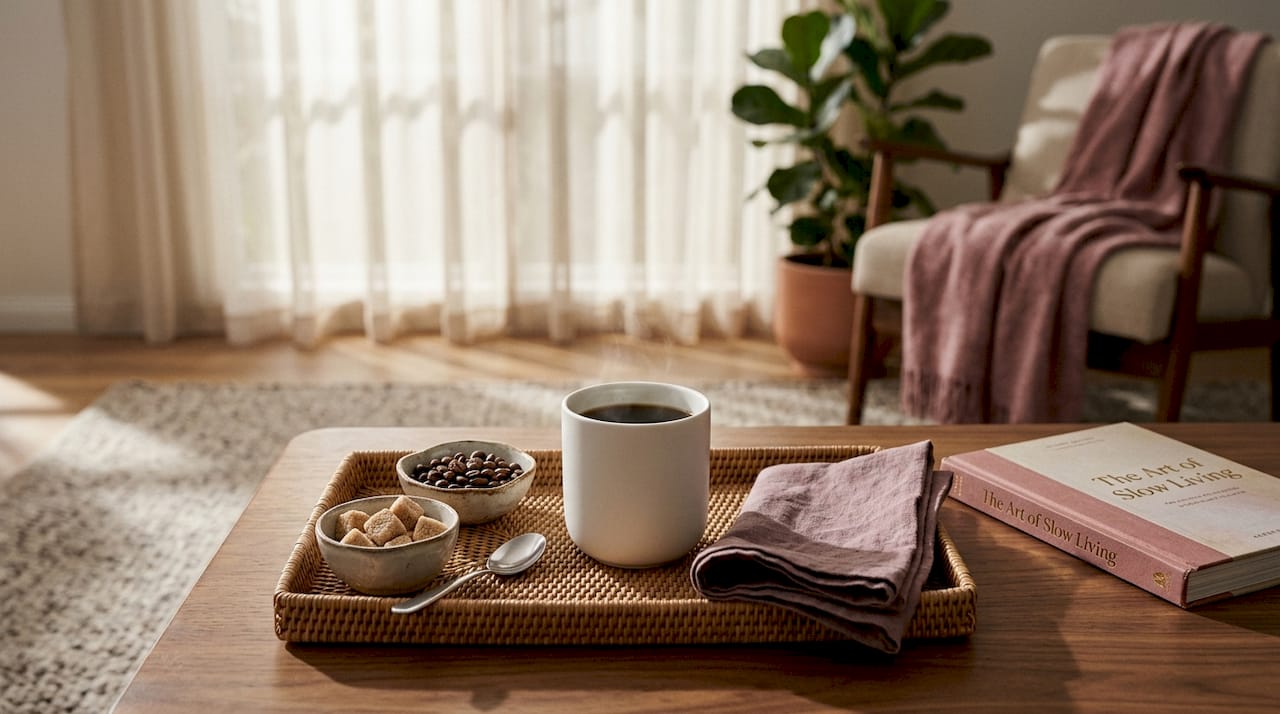
Perhaps the most striking example is the Ethiopian coffee ceremony, one of the oldest and most intentional coffee rituals in the world. In this tradition, small handleless cups called sini symbolise hospitality and community. Guests are served in sequence, with each round carrying its own name and meaning. The act of holding a small, warm, handleless cup in both palms is inherently grounding. It slows you down. It places your attention in your hands and in the presence of the people around you.
The transition from calabash gourds to porcelain sini in the Ethiopian ceremony reflects both a cultural shift and a debate that still resonates: do the physical properties of the vessel matter, or is it the psychological familiarity and ritual context that shapes the experience? The answer, most likely, is both. The materials changed, but the ceremony's meaning deepened rather than diminished. Porcelain brought refinement; the ritual brought presence.
Here is how different cultural approaches to coffee vessels compare:
| Cultural tradition | Vessel type | Key values expressed |
|---|---|---|
| Ethiopian ceremony | Handleless porcelain sini | Hospitality, community, mindfulness |
| Japanese tea-influenced coffee | Small ceramic cups, no handles | Presence, simplicity, wabi-sabi aesthetic |
| Scandinavian slow coffee | Wide ceramic mugs, earthy tones | Hygge, warmth, slow living |
| Australian artisan café culture | Handcrafted stoneware mugs | Individuality, craft, daily ritual |
The handleless vessel is particularly significant. Without a handle, you must cradle the cup with both hands. This requires attention. You feel the warmth directly. You slow your grip, your pace, your breath. This is not accidental — it is the design working in service of the ritual. Many contemporary slow living practitioners are rediscovering this principle through handleless ceramic cups as part of intentional morning routines.
Gifting mugs across cultures also carries deep meaning. In many traditions, presenting someone with a beautiful cup is an act of wishing them warmth, comfort, and daily joy. Understanding gifting mug designs and how to match them to the recipient's rituals turns a simple object into something genuinely personal.
Key themes in cultural mug traditions:
- Handleless cups encourage presence and tactile connection
- Ceremony and sequence elevate coffee from a beverage to a social act
- Material evolution reflects cultural values, not just practicality
- Gifting vessels communicates care, warmth, and shared ritual
"Across centuries and continents, the cup has always been more than a cup. It has been a handshake, a welcome, and a moment held in ceramic and warmth."
Choosing the right mug: Practical tips for enhancing daily rituals
So how can you harness these scientific and cultural insights in your own daily coffee ritual? The good news is that making intentional choices about your mug does not require a complete overhaul of your morning. Small, deliberate decisions add up quickly.
Research consistently shows that mugs serve sensory, psychological and cultural roles in elevating coffee consumption from habit to mindful practice. This means your mug choice is simultaneously a sensory decision and a ritual design decision. Here is how to approach it practically.
-
Match shape to your coffee style. If you drink espresso-based coffees and want to enjoy their aromatic complexity, choose a tulip or narrowing shape. If you prefer longer, milk-based coffees where sweetness and body are central, a wide-mouthed ceramic mug will suit you better.
-
Consider the weight. A mug that feels substantial in your hand creates a different experience to a lightweight one. Heavier handcrafted stoneware mugs naturally slow your pace. They signal that this moment is worth lingering over.
-
Pay attention to rim thickness. If you want a refined, clean sipping experience, look for mugs with thinner, well-finished rims. Thick rims are not necessarily worse; they can feel grounding and robust, which suits certain brewing styles and temperaments.
-
Think about colour. If you drink your coffee black and want to minimise perceived bitterness, avoid stark white mugs. Warm terracotta, sage, or charcoal tones can soften the visual contrast and create a more rounded taste impression.
-
Choose handcrafted when you can. The slight irregularity of a handcrafted ceramic mug is not a flaw. It is a reminder that a person made it. That awareness shifts how you hold it, how you use it, and how present you are while drinking from it.
Statistic to consider: Large-scale sensory studies confirm that material choice alone, independent of any other variable, produces measurable differences in coffee enjoyment scores. Ceramic consistently outperforms glass, metal, and plastic. Choosing a quality ceramic mug is one of the simplest evidence-based upgrades you can make to your morning ritual.
For a thorough breakdown of what to look for, the perfect ceramic mug guide walks through material, shape, glaze, and design considerations in detail.
Pro Tip: Before you buy a new mug, think about one specific moment in your morning ritual — the moment you wrap both hands around it after the first pour. Then choose a mug that feels right in that exact moment. Weight, warmth, and texture matter more than you expect.
Handcrafted mugs and gifting: Creating lasting moments
Handcrafted mugs are not just for your own ritual. They are also powerful tools for gifting and creating slow, meaningful moments with the people you care about.
When you give someone a handcrafted ceramic mug, you are giving them a daily ritual object. Unlike flowers that fade or candles that burn down, a mug shows up every morning. It becomes part of someone's most private and consistent daily moment: the first quiet cup before the day begins. That is a genuinely generous gift.
Studies confirm that ceramic mugs produce measurably higher coffee enjoyment. This means gifting a quality ceramic mug is not just a thoughtful gesture; it is a practical upgrade to someone's daily life. It is the kind of gift that keeps performing, quietly and consistently, for years.
What makes a handcrafted mug especially meaningful as a gift:
- Uniqueness: No two handcrafted pieces are identical. The person receiving it has something genuinely one of a kind.
- Story: A handcrafted object carries the maker's attention and skill. That story becomes part of how the recipient uses it.
- Intentionality: Choosing a mug based on the recipient's ritual, colour preferences, or coffee style shows a depth of consideration that mass-produced gifts rarely achieve.
- Longevity: A quality ceramic mug outlasts almost any other gift. It becomes part of someone's home, their mornings, and their sense of comfort.
Understanding how to match mugs for gifting based on the receiver's lifestyle and ritual is a skill worth developing. Think about whether they prefer strong espresso or slow filter coffee. Consider whether they value warmth and earthiness or clean minimalism. Then choose accordingly.
Curated ceramic gift sets take this further by pairing mugs with complementary pieces, creating a ritual package that feels considered and complete rather than a single item in a box.
Pro Tip: When gifting a handcrafted mug, include a small note about how to care for it. This adds a layer of intentionality that elevates the gift and shows the recipient you thought about how they will actually use it day to day.
A fresh perspective: Why the mug is your secret ritual tool
Here is something worth sitting with. Most of the slow living conversation focuses on pace: waking earlier, moving slower, putting the phone down. All of that matters. But the objects you choose for your rituals are doing work that most people overlook entirely.
Your mug is not just a container that you happen to use for coffee. It is an anchor. Every morning, before your day has any momentum, you reach for it. The way it feels, the way it warms your hands, the way it shapes your first sip — all of this is operating on your nervous system before you have made a single conscious decision about your day. That is not a small thing.
Shape directs aroma through headspace geometry, and material affects thermal profile and taste neutrality. These are mechanical realities. But they sit alongside a psychological truth: the mug you choose tells your brain something about what kind of moment this is. A beautiful, weighty, handcrafted ceramic cup says "this morning deserves your attention." A disposable cup says almost nothing at all.
We tend to invest a great deal of thought in the coffee itself — the beans, the grind, the brew method. Rarely do we give the same consideration to the mug we choose to receive it. Yet the science is clear that the vessel is not passive. It is active in shaping taste, aroma, and the quality of the experience.
The most grounded slow living practitioners we have observed understand this intuitively. They do not accumulate twenty mugs. They choose one or two with care, they use them consistently, and that consistency becomes part of what makes the ritual feel like a ritual. The object gains meaning through repetition and intentional selection. That is not sentimentality. That is how human rituals work.
Find your handcrafted mug for mindful rituals
Ready to transform your coffee ritual or gift someone a mindful experience?
At Muggie, every piece is chosen for the way it feels in your hands, the way it holds heat, and the way it makes your morning feel considered rather than rushed.
Browse the full range of handcrafted ceramic coffee mugs designed for slow mornings and everyday ritual. Each piece is food-safe, dishwasher-friendly, and made with an artisanal aesthetic that sits beautifully on any bench or table. If you are looking for a gift that keeps giving, the curated giftable ceramic sets pair mugs with complementary pieces to create a complete ritual experience. Whether you are upgrading your own morning or finding something genuinely meaningful for someone else, Muggie makes it easy to choose with intention.
Frequently asked questions
How does mug material affect the flavour of coffee?
Ceramic mugs produce higher coffee liking scores in empirical studies because ceramic is thermally stable, tasteless, and odourless, allowing the coffee's natural flavour profile to come through without interference.
What mug shape is best for maximising coffee aroma?
Tulip-shaped mugs concentrate aroma in the headspace above the liquid, making the sensory experience richer and more complex, particularly for espresso and specialty filter coffees.
Why do some coffee rituals use handleless mugs?
Handleless cups like the sini in the Ethiopian coffee ceremony encourage mindful cradling with both hands, slowing the drinker down and symbolising hospitality and shared presence within the community.
Are handcrafted mugs better for slow living practices?
Handcrafted mugs encourage presence and intention because their tactile uniqueness draws your attention to the moment, supporting mindful daily rituals rather than habitual, unconscious consumption.