TL;DR:
- Handmade ceramics enhance sensory experience and emotional fulfillment during slow living routines.
- They support mindfulness through tactile, visual, and thermal qualities that encourage presence.
- Choosing artisanal, lead-free ceramics fosters intentionality, durability, and meaningful daily rituals.
There is something quietly extraordinary about wrapping both hands around a ceramic mug on a slow morning. The weight, the warmth, the slight unevenness of a handmade rim — these sensory details do more than you might expect. Empirical research confirms that regular ceramic tableware elicits positive emotional responses and higher meal acceptability compared to disposable options, enhancing sensory perception particularly for warm foods. For those of us drawn to slower, more intentional ways of living, ceramics are not just vessels. They are anchors for presence, meaning, and daily joy.
Table of Contents
- Why ceramics define sensory and emotional depth in slow living
- Ceramics in mindful rituals: Everyday art for presence and wellbeing
- Choosing and gifting ceramics: Practical guidance for durability and wellbeing
- The quiet power of ceramics in transforming everyday life
- Explore artisanal ceramics for slow living and gifting
- Frequently asked questions
Key Takeaways
| Point | Details |
|---|---|
| Sensory elevation | Ceramics make everyday rituals warmer and more emotionally fulfilling. |
| Mindful gifting | Artisanal ceramics offer thoughtful, presence-enhancing gifts for slow living enthusiasts. |
| Practical selection | Choosing durable, lead-free ceramics ensures safe and enjoyable use. |
| Cultural resonance | Ceramic traditions like wabi-sabi support slow living values of presence and process. |
| Holistic wellbeing | Ceramics contribute to mental health via art therapy and sensory rituals. |
Why ceramics define sensory and emotional depth in slow living
The slow living movement is not simply about doing less. It is about feeling more. And few objects support that philosophy as naturally as a well-made ceramic piece. When you hold a handcrafted mug, your nervous system receives a cascade of sensory information — the temperature, the texture, the subtle weight — that pulls you firmly into the present moment.
This is not just poetic. Research comparing tableware types found that ceramic tableware consistently outperformed disposable plastic and wood alternatives in emotional response and overall meal satisfaction, particularly when serving warm foods like coffee and tea. The science suggests that the material you drink from genuinely changes how you experience what is inside it.
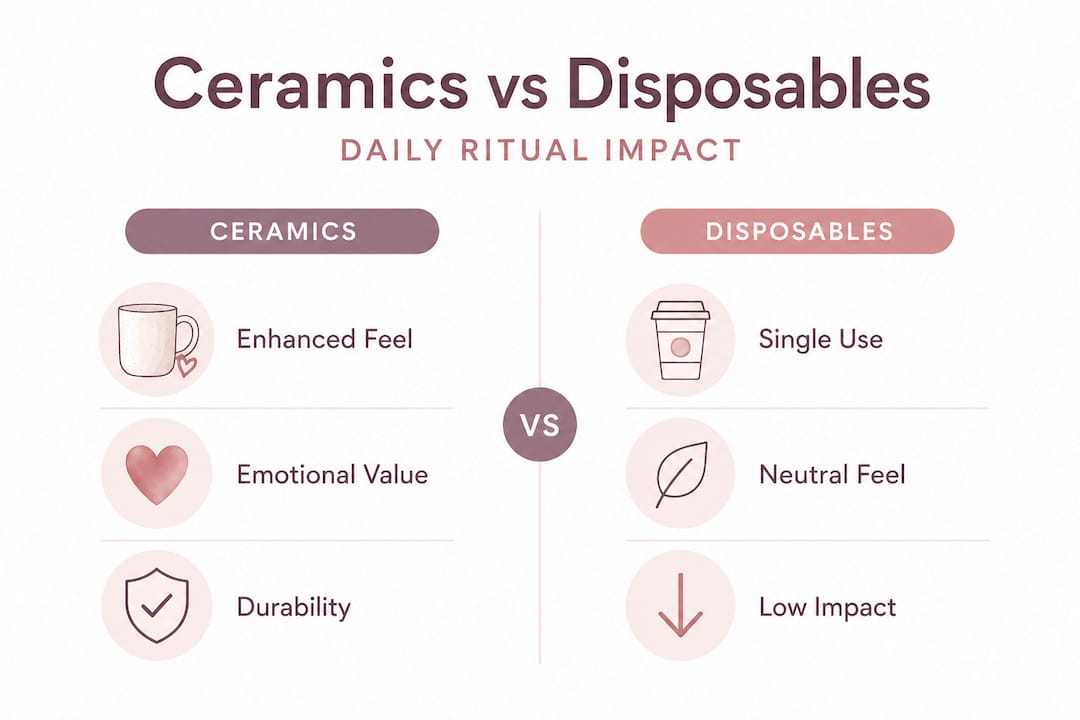
| Tableware type | Emotional response | Sensory engagement | Meal acceptability |
|---|---|---|---|
| Handmade ceramic | High | High | Highest |
| Mass-produced ceramic | Moderate | Moderate | Moderate |
| Disposable plastic | Low | Low | Low |
| Disposable wood | Low | Very low | Low |
What makes ceramics particularly powerful for slow living is the way they engage multiple senses simultaneously. The visible glaze catches morning light. The surface texture grounds your grip. The thermal mass keeps your drink warmer longer, extending the moment of enjoyment. For anyone exploring the handmade ceramic benefits of artisanal pieces, this sensory richness is a core part of the appeal.
"A ceramic mug is not passive. It participates in the ritual. It asks you to slow down simply by being what it is."
Slow living values the quality of an experience over its speed or efficiency. A disposable cup is designed to be forgotten. A ceramic piece is designed to be noticed. That difference matters more than most people realise when they first begin building intentional morning routines.
Key ways ceramics support sensory slow living:
- Thermal retention keeps drinks at ideal temperature, encouraging longer, slower enjoyment
- Tactile texture provides grounding sensory feedback that sharpens present-moment awareness
- Visual depth in handmade glazes creates aesthetic pleasure with every use
- Weight and balance make the act of holding the mug feel deliberate and satisfying
Pro Tip: Try holding your ceramic mug with both hands for the first few sips of your morning drink. This simple act shifts your attention away from your phone or to-do list and into your body, which is exactly what slow living is designed to do.
For those building a daily ritual practice, exploring ceramics for mindful living is a meaningful starting point. The right piece becomes a daily companion rather than a throwaway convenience. And when you understand the connection between artisanal ceramics and slow living, the choice to invest in handcrafted pieces begins to feel less like a luxury and more like a commitment to how you want to experience your own life.
Ceramics in mindful rituals: Everyday art for presence and wellbeing
With an understanding of the emotional depth ceramics bring, we can explore how mindful rituals transform everyday moments into occasions for genuine presence. The act of making tea or coffee in a handmade ceramic vessel is, when approached with intention, a form of moving meditation. Every gesture — the pour, the wait, the first sip — becomes deliberate.
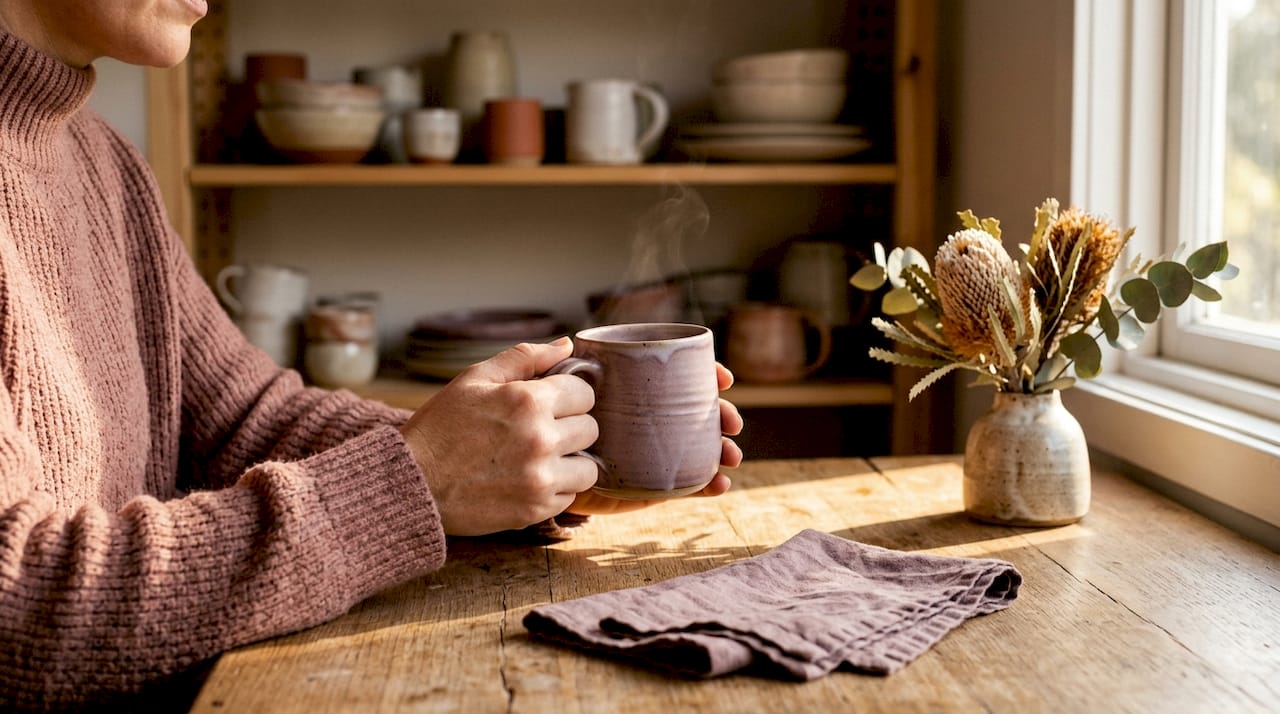
This idea is deeply rooted in the Japanese aesthetic philosophy of wabi-sabi. In ceramic traditions such as Karatsu and Shigaraki, wabi-sabi emphasises process over perfection, mirroring slow living's rejection of hustle in favour of embodied presence. A crack, an uneven edge, a variation in glaze — these are not flaws in wabi-sabi. They are evidence of time, touch, and authenticity. They tell a story that mass production simply cannot replicate.
A comparison of mindful approaches to daily ceramic rituals:
| Ritual approach | Mindful quality | Wabi-sabi alignment | Slow living benefit |
|---|---|---|---|
| Handmade tea ceremony | Very high | Strong | Deep presence |
| Artisanal morning coffee ritual | High | Moderate | Calm focus |
| Everyday mug with intention | Moderate | Moderate | Grounded awareness |
| Disposable cup, rushed | None | None | None |
Beyond aesthetics, ceramics have earned a recognised place in mental health and holistic wellbeing practices. The American Ceramic Society highlights ceramics' role in mental wellbeing through art therapy, sound healing via ceramic fountains, and aromatherapy diffusers. This gives ceramics a genuine functional role in supporting holistic health — not just as beautiful objects, but as therapeutic tools integrated into daily life.
Four mindful rituals that ceramics can anchor:
- Morning tea or coffee — Use a favourite handmade mug as the centrepiece of a slow morning. Let the process of heating water, steeping, and sipping become the entire focus for five to ten minutes.
- Evening wind-down — A ceramic teacup filled with herbal tea signals to the body and mind that the day is ending. The ritual of choosing the cup, warming it, and holding it quietly supports nervous system regulation.
- Shared meals — Setting a table with ceramic pieces transforms an ordinary meal into a small occasion. The textures and colours of handmade tableware create a backdrop for genuine connection.
- Gift giving — Offering a handcrafted ceramic piece as a gift is an act of thoughtfulness. It says you considered not just the object but the experience it enables.
Pro Tip: Keep a ceramic ritual journal — a simple note after each slow morning about how you felt, what you noticed, and what the ritual gave you. Over weeks, you will begin to see patterns in how your wellbeing responds to slowing down.
These rituals are not complicated. They do not require hours or special equipment. They require only the decision to bring a little more attention to the ordinary. And ceramics, with their inherent sensory richness, make that decision easier to keep.
Choosing and gifting ceramics: Practical guidance for durability and wellbeing
Understanding the value of mindful rituals, let us get practical about choosing ceramics that genuinely align with these values, whether for yourself or as a thoughtful gift.
The most important starting point is material safety. Not all ceramic glazes are created equal. Some older or lower-quality glazes contain lead or cadmium, which can leach into food and drink over time. When selecting pieces for daily use, always prioritise ceramics with lead-free glazes that meet food-safe standards. This is especially important for mugs and teacups where hot liquids are involved. Durable, lead-free glazes should be your baseline requirement for any ceramic you plan to use regularly or gift to someone you care about.
"The best ceramic pieces for daily rituals are those that are beautiful enough to use every day and sturdy enough to actually last."
What to look for when choosing ceramics:
- Lead-free glaze — Always confirm food safety, especially for hot beverages
- Dishwasher compatibility — Handcrafted pieces vary; check maker's guidance to preserve glaze integrity
- Weight and balance — A well-balanced mug feels comfortable in the hand for extended morning rituals
- Thermal retention — Thicker ceramic walls hold heat longer, supporting unhurried sipping
- Artisanal origin — Small-batch makers produce pieces with genuine variation and soul that mass production cannot replicate
- Visible craftsmanship — Look for evidence of the maker's hand: slight variations in shape, unique glaze pooling, organic edges
One honest consideration is fragility. Handmade ceramics are generally more durable than their reputation suggests, but they are not unbreakable. This is actually part of their value in slow living practice. Knowing that something can break encourages you to handle it with care and attention, which reinforces the mindful presence that slow living cultivates. Mass-produced alternatives are often criticised for lacking this sensory depth, even when they are technically more robust.
When gifting ceramics, context matters enormously. A single handmade teacup might feel spare as a gift unless paired with a thoughtful note about how to use it. A curated set, on the other hand, communicates real care and consideration. Think about the recipient's morning or evening rituals and select pieces that would genuinely fit into their existing routine. Exploring a quality ceramic tea cup selection is an excellent starting point for finding something both beautiful and practical.
Pro Tip: When gifting a ceramic piece, include a small card describing the maker's process or the clay's origin. This context transforms a lovely object into a meaningful story, which is exactly what slow living is built around.
The question of durability is also about emotional durability. A piece you love is a piece you will use, protect, and eventually pass on. That kind of longevity is the opposite of disposable culture and entirely in step with the values that draw people to slow living in the first place.
The quiet power of ceramics in transforming everyday life
Here is something most articles about slow living skip over: the real transformation that ceramics offer is not about the object itself. It is about what the object asks of you.
Every time you choose a handmade mug over a paper cup, you are making a small but real declaration. You are saying that this moment matters enough to be held with care. That is not aesthetics. That is a practice. And like any practice, it accumulates. The researcher and somatic practitioner Katie Briefel articulates this well: wabi-sabi ceramics embody process over perfection, and that philosophy extends beyond the object into the person using it.
We think a lot in the ceramics and slow living space about beauty and craftsmanship. Rightly so. But we talk less about the tension most people feel when they first begin a slow living practice: the discomfort of doing less, the guilt of sitting still, the strangeness of savouring a cup of tea when your to-do list is still unfinished. Ceramics work on this tension in a surprisingly practical way. When you hold something beautiful and handmade, the nervous system quiets slightly. The object provides a focal point that the mind can rest on. This is not magic. It is just sensory reality.
The pieces worth choosing are those that feel alive in the hand, that reward your attention, that look slightly different depending on the light. These are qualities that emerge from the small batch ceramics tradition, where each piece carries the mark of genuine human attention. And in a world that increasingly trades presence for efficiency, that mark is quietly radical.
The ordinary cup can be extraordinary. Not because of what it costs, but because of what it asks you to do with your time.
Explore artisanal ceramics for slow living and gifting
If this has you thinking about the role ceramics could play in your own morning routine or in a gift for someone you love, Muggie's collection is a natural place to start.
Each piece in the Muggie range is handcrafted with slow living in mind, prioritising tactile design, food-safe materials, and the kind of quiet beauty that makes daily rituals feel worth pausing for. Whether you are drawn to the elegance of the Ru tea set petal for a meditative tea practice, looking for meaningful ceramic gift set options for someone special, or simply searching for the right everyday vessel among our ceramic coffee mugs, you will find pieces designed to be used, loved, and kept.
Frequently asked questions
Why are ceramics important for slow living rituals?
Ceramics promote sensory engagement and emotional fulfilment by providing tactile, visual, and thermal cues that anchor presence. Research confirms they consistently outperform disposable alternatives in emotional response and meal satisfaction.
What should I look for when buying ceramics for daily use or gifting?
Prioritise pieces with lead-free glazes and genuine artisanal craftsmanship, as mass-produced alternatives lack the sensory depth that makes ceramics meaningful in slow living practice.
How do ceramics support mental wellbeing?
Beyond daily rituals, ceramics contribute to holistic health through art therapy, sound healing, and aromatherapy applications, making them genuinely therapeutic objects rather than purely decorative ones.
What is wabi-sabi and how does it relate to slow living and ceramics?
Wabi-sabi is a Japanese philosophy that celebrates imperfect, transient beauty. In ceramic traditions, wabi-sabi prioritises process over perfection, which directly mirrors slow living's commitment to presence over productivity.