
TL;DR:
- Choosing the right ceramic cup enhances tea flavor and encourages mindful drinking by retaining heat longer. Its physical properties support a slower cooling process, allowing aromatic compounds to develop fully, especially for robust teas. A well-selected ceramic vessel elevates the entire ritual, blending cultural tradition with daily intentionality.
The cup you choose matters more than you might expect. Most tea drinkers focus entirely on sourcing good leaves, perfecting steeping times, and finding the right water temperature, yet completely overlook the vessel sitting in their hands. Ceramic holds heat at a measurably slower rate than glass or metal, which means the aromatic compounds in your tea keep developing long after you pour. That extended thermal window changes not just the temperature of your drink, but the depth of flavour you experience with every sip.
Table of Contents
- What makes ceramic unique for tea drinking
- Ceramic versus other materials: A comparison
- Ceramic choices and their impact on tea flavour and ritual
- How to select the right ceramic tea cup for your needs
- A fresh perspective: What most guides miss about ceramic tea cups
- Upgrade your tea ritual with ceramic cups from Muggie
- Frequently asked questions
Key Takeaways
| Point | Details |
|---|---|
| Enhanced flavour retention | Ceramic cups help keep teas at optimal temperature longer, unlocking richer flavour profiles. |
| Mindful drinking experience | Ceramic’s tactile texture and visual design support tea rituals and elegant settings. |
| Material versatility | Different ceramic types suit both robust and delicate teas, making them adaptable for various preferences. |
| Evidence-based choice | Empirical data and expert insights confirm ceramic’s advantage for tea enthusiasts. |
| Practical selection tips | Guidance helps you choose the ideal ceramic cup for both function and style. |
What makes ceramic unique for tea drinking
Ceramic has been used for tea vessels across Asia for thousands of years, and this isn't just cultural habit. The material has genuine physical properties that directly support a better drinking experience. Empirical tests confirm ceramic's moderate to high thermal retention, with cooling rates measurably slower than many alternatives, which gives flavour compounds more time to develop in your cup rather than dissipating quickly.
This slower cooling pace is important because tea flavour is temperature dependent. Many teas, particularly oolongs and black teas, express their full aromatic profile between 55°C and 70°C. When your cup holds heat within that range for longer, you spend more time in the sweet spot rather than rushing to finish before the drink goes cold or flat.
Here is what ceramic brings to the table that other materials simply don't replicate:
- Thermal stability: Ceramic walls absorb and redistribute heat gradually, keeping your drink in the optimal flavour range longer
- Neutral taste transfer: Unlike stainless steel, ceramic imparts no metallic notes or aftertaste to your tea
- Tactile warmth: Holding a warm ceramic cup is a sensory experience that anchors mindful rituals
- Visual depth: The earthy textures and hand-finished glazes invite you to slow down and notice what you're drinking
"The cup is not just a container. It is part of the ritual itself."
This sensory dimension is why so many enthusiasts gravitate toward exploring styles and craftsmanship when building their collection. A beautifully made ceramic cup, like a floral embossed teacup with its delicate raised detail, invites a slower, more attentive pace. That shift in attention changes the entire experience of drinking tea, turning a quick habit into something genuinely restorative.

Ceramic versus other materials: A comparison
Understanding ceramic's distinct properties, it's useful to see how these translate when compared with other popular cup materials. The differences go beyond aesthetics and affect temperature, taste, and the feeling of your ritual.
| Material | Heat retention | Taste neutrality | Ritual aesthetic | Best for |
|---|---|---|---|---|
| Ceramic (glazed) | High | Excellent | Earthy, tactile | Black, oolong, pu-erh |
| Porcelain | Medium to high | Excellent | Refined, elegant | Green, white, light oolong |
| Glass | Low | Very good | Modern, visual | Herbal, visual teas |
| Stainless steel | Very high | Poor (metallic) | Functional only | Travel, commuting |
| Unglazed clay | Very high | Unique seasoning | Traditional, meditative | Single tea types only |
The comparison reveals some important distinctions. Ceramic excels for robust teas like black or pu-erh that need sustained heat to open up fully, while porcelain, which is technically a refined form of ceramic, suits delicate green and white teas that benefit from slightly cooler sips. Unglazed clay is a fascinating edge case: it seasons over time to complement a single tea type, building layers of flavour absorption into its walls.

Glass is loved for its visual transparency, letting you watch leaves unfurl and watch colour develop in your cup. But it loses heat quickly, which can rush you through the experience. Metal keeps heat aggressively but at the cost of taste neutrality, making it a poor choice for anything with subtle florals or delicate minerality.
When you're narrowing down your choice, work through these considerations in order:
- Identify your primary tea type. Robust teas call for classic glazed ceramic. Delicate teas do better in porcelain.
- Consider your ritual context. A gongfu ceremony calls for smaller, traditional shapes. A slow morning at home suits a larger, comfortable cup.
- Think about daily practicality. Glazed ceramics are food-safe and dishwasher friendly. Unglazed clay needs more careful handling.
- Choose a material that rewards repeated use. A good ceramic cup improves your ritual every single day.
Pro Tip: If you're torn between a glazed ceramic and porcelain cup, try glazed ceramic first. Its slightly rougher texture retains heat a little longer and is more forgiving with a wider range of tea types, making it the more versatile daily choice.
The flared rim tea cup is a brilliant example of how thoughtful design elevates function. Its reverse lip shape naturally directs tea across the front palate, enhancing the way you perceive sweetness and body. Details like this show why choosing a ceramic mug carefully pays dividends in your daily ritual.
Ceramic choices and their impact on tea flavour and ritual
With the material differences clear, let's look at how ceramic cup choices actually shape your tea experience day to day. Not all ceramics behave identically, and the specific form, glaze, and size of your cup create meaningfully different outcomes.
| Cup type | Flavour effect | Ritual feel | Ideal tea |
|---|---|---|---|
| Glazed stoneware | Retains heat, neutral taste | Grounded, comfortable | Black, pu-erh, oolong |
| Unglazed terracotta/clay | Seasons to single tea type, adds subtle earthiness | Meditative, traditional | Single-origin pu-erh, aged oolongs |
| Porcelain (refined ceramic) | Slight translucency, very neutral | Elegant, precise | Green, white, light oolong |
| Embossed or hand-painted | Same thermal properties, elevated sensory presence | Artisanal, celebratory | Any special tea occasion |
The way ceramic excels for robust teas is particularly relevant when you're working with teas that demand high steeping temperatures and sustained heat to unlock their depth. Think of a strong Yunnan black or a thick, aged pu-erh cake. These teas want your cup to hold warmth for the full steeping cycle and beyond.
Cup shape also matters more than most guides acknowledge. A wider bowl shape allows aromatic compounds to dissipate upward, softening a very robust tea. A narrower, taller cup concentrates aroma and directs it toward your nose as you sip, which intensifies the flavour perception significantly.
Here are some practical pointers for matching your cup to your ritual:
- For gongfu-style brewing: Use small 60 to 100ml cups to allow multiple short infusions without losing temperature between pours. The pedestal floral tea cup at 65ml is perfectly sized for this style.
- For a slow Western-style brew: Use a larger 150 to 200ml cup with good thermal mass to hold temperature through a longer steeping session.
- For ceremonial tea preparation: A ceramic gaiwan serves both as steeping vessel and cup, keeping preparation and drinking unified in a single beautiful object.
- For gifting: A curated vintage mug set offers a complete ritual in one thoughtful package, ideal for sharing the ceramic experience with someone you care about.
Pro Tip: Warm your ceramic cup with hot water before pouring your tea. This pre-warming step ensures the cup wall doesn't absorb the initial heat from your pour, keeping your first sip at the right temperature. Empty the warm water, then pour your tea immediately.
The ritual dimension here is real and worth taking seriously. When you select a cup that pleases you visually and feels right in your hands, you naturally slow down. That pause, that conscious attention to what you're holding and drinking, is the essence of mindful tea practice.
How to select the right ceramic tea cup for your needs
Now you know how ceramic affects your tea, here's how to choose the ideal cup for your rituals and tastes. The process is simpler than it looks once you work through it step by step.
- Start with your tea type. Black, pu-erh, and oolong teas benefit from glazed stoneware with higher thermal mass. Green and white teas are better suited to fine porcelain or lighter ceramic with a thinner wall.
- Consider your brewing method. Gongfu ceremony needs small tasting cups. Western-style brewing suits a larger, single serving cup. Pair a tea cup and saucer for a more formal, table-ready presentation.
- Choose the right size. Smaller cups (60 to 100ml) intensify the ritual and encourage slow, attentive sipping. Larger cups (150 to 200ml) suit longer sessions or mornings where you want to relax over a full serve.
- Evaluate glaze and surface. Fully glazed cups are easier to clean and offer a neutral flavour baseline. Matte or lightly textured glazes add tactile pleasure. Avoid reactive glazes for delicate teas where you want zero interference.
- Look at shape and weight. A cup should feel balanced in your hand without feeling heavy. Walls that are too thin may cool quickly. Walls that are too thick can make a small cup feel clumsy.
- Think about your table setting. If you entertain, matching cups with complementary saucers, teapots, and linens creates a cohesive, inviting presentation. Browse the full ceramic tea cups collection to find pieces that work together visually.
Because thermal retention plays such a measurable role in flavour development, paying attention to the thermal mass of your cup is a practical step, not just an aesthetic one. A thicker-walled ceramic cup holds heat noticeably longer than a thin-walled glass or metal alternative.
If you're still exploring what suits you best, the mug buying guide walks through craftsmanship markers and style choices in detail, making it easier to find a cup that rewards daily use rather than just looks good on a shelf.
Here is a quick checklist to carry into your selection process:
- Does the cup feel comfortable and balanced in your dominant hand?
- Does the glaze colour and texture match the visual mood of your ritual space?
- Is the size appropriate for your usual brew volume and style?
- Is the clay food-safe and finished for regular washing?
- Does the cup have enough thermal mass to keep your tea warm for at least 10 minutes?
A fresh perspective: What most guides miss about ceramic tea cups
Before wrapping up, let's consider a broader view rarely addressed in standard buying guides. Most articles focus entirely on thermal science or design trends. Very few acknowledge the fuller picture: ceramic tea cups sit at the intersection of practical function, cultural lineage, and daily intentionality.
The thermal argument for ceramic is valid and measurable. But reducing your cup choice to heat retention alone misses the point. Tea culture across China, Japan, Taiwan, and Korea has always treated the cup as a carrier of meaning, not just a container for liquid. The material, the form, the imperfections left by the maker's hands, all of these communicate something about the value placed on the act of drinking tea.
When you hold a handmade ceramic cup with a glaze that shifted slightly in the kiln, you are connecting with a tradition that values the individual object. That is the opposite of mass production, and it changes how you feel during the ritual. Appreciation for the vessel increases attention to the experience.
There's also a pitfall worth naming directly. Some enthusiasts swing too far in one direction, obsessing over rare unglazed clays or precise provenance claims while neglecting whether the cup actually suits their daily habits. A cup that lives in a display cabinet isn't doing its job. The best ceramic cup is the one you reach for every morning without thinking.
Ceramic mug styles vary enormously, and the right choice balances beauty with genuine everyday function. A cup that makes you pause, appreciate, and slow down even fractionally is doing more for your wellbeing than any optimised brewing chart. That's the quiet case for ceramic that most guides overlook completely.
Upgrade your tea ritual with ceramic cups from Muggie
Knowing what to look for in a ceramic tea cup is the first step. Finding one that genuinely becomes part of your daily ritual is the next.
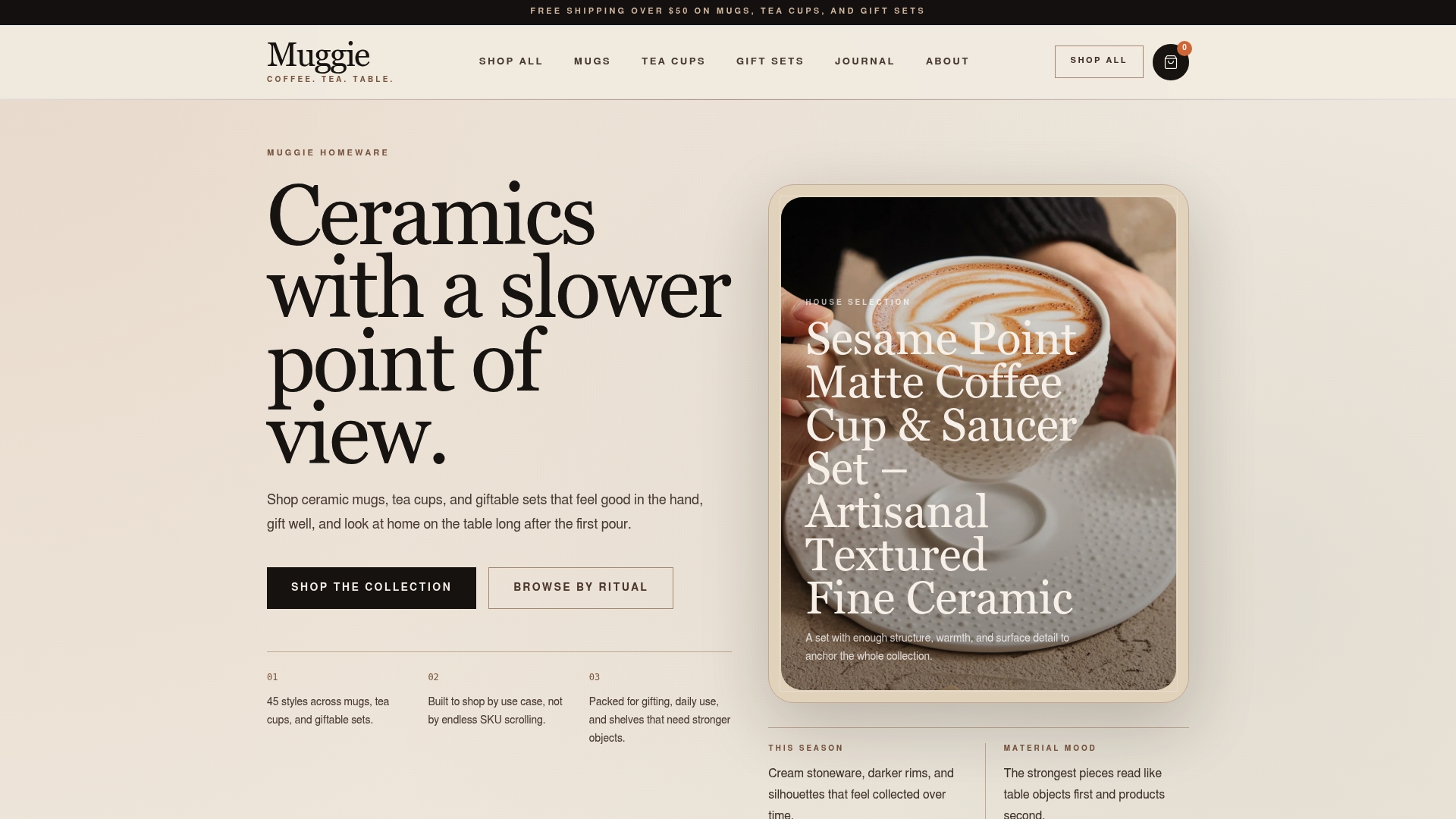
Muggie's ceramic tea cup range brings together handcrafted pieces designed specifically for the kind of mindful, unhurried tea ritual this article has explored. Each cup is food-safe, made for real daily use, and chosen for its tactile and visual quality. If you're looking for a gift that carries genuine meaning, the ceramic gift sets are curated to feel personal and considered rather than generic. For something that makes an immediate impression, the unique flame ceramic mug showcases what kiln-fired ceramics can do when craft and artistry come together beautifully.
Frequently asked questions
Do ceramic tea cups change the flavour of my tea?
Yes, in a positive way. Ceramic retains heat longer, which extends flavour development and avoids the metallic taste transfer common with stainless steel, meaning your tea tastes cleaner and more nuanced from first sip to last according to thermal beverage tests.
Are unglazed clay cups suitable for all teas?
No. Unglazed clay seasons over time by absorbing oils and flavour compounds from your tea, which enhances a single tea type but can muddy the flavour profile if you switch between different teas frequently.
How should I clean and care for my ceramic tea cups?
Glazed ceramic cups clean easily with mild soap and warm water or in the dishwasher. Unglazed or seasoned clay cups should only be rinsed with warm water and dried thoroughly to preserve the flavour patina they've built up over time.
Can ceramic cups be used for both hot and cold teas?
Absolutely. Ceramic's thermal moderation works in both directions, keeping hot teas warm and slowing the warming of cold teas, which is why thermal retention properties make it a genuinely versatile choice for any tea style or season.