
TL;DR:
- Using the right ceramic or stoneware mug enhances the drinking experience through thermal and aesthetic qualities.
- Proper storage, like upright in ventilated areas, and mindful routines maintain mug hygiene and longevity.
- Choosing a well-crafted mug and caring for it intentionally transforms everyday rituals into restorative moments.
That mug sitting at the back of your cupboard, coated in a fine layer of dust with a faint coffee ring inside, is doing more than collecting grime. It is quietly telling you something about how much thought you give to one of the most repeated rituals in your day. Most of us brew a coffee or steep a tea without a second thought about whether our mug is clean, hygienic, or even pleasurable to hold. Yet research and practical wisdom both point to the same truth: the right mug, cared for properly and stored with intention, can transform an ordinary drink into a genuinely restorative moment.
Table of Contents
- Choosing the perfect mug for everyday use
- Essential tools and setup for mindful mug use
- Step-by-step routine for using and storing mugs
- Troubleshooting: Common mistakes and how to fix them
- A fresh perspective: Mindful mug routines redefine daily rituals
- Bring artistry to your daily mug ritual with Muggie
- Frequently asked questions
Key Takeaways
| Point | Details |
|---|---|
| Upright storage is crucial | Storing mugs upright and ventilated keeps them clean and prevents bacteria, as backed by research. |
| Choose artisanal ceramics | Ceramic mugs provide durability, beauty, and comfort for daily rituals. |
| Daily maintenance prevents issues | Quick rinsing and spot cleaning after use stops stains and odours before they begin. |
| Mindful routines elevate experience | Integrating mindful mug care turns ordinary moments into satisfying rituals. |
Choosing the perfect mug for everyday use
The mug you reach for first thing in the morning sets a quiet tone for your entire day. It is worth spending a moment to think about whether yours is actually doing its job well, both practically and aesthetically.

Material matters more than you think
The material of your mug affects heat retention, durability, and how the drink tastes. Here is a quick comparison of the three most common options:
| Material | Heat retention | Durability | Aesthetic appeal | Best for |
|---|---|---|---|---|
| Ceramic | Excellent | High | Very high | Coffee, tea, daily rituals |
| Stoneware | Excellent | Very high | High | Everyday use, slow mornings |
| Glass | Poor | Moderate | Moderate | Cold drinks, visual appeal |
Ceramic and stoneware are the clear frontrunners for daily use. They hold heat well, do not absorb flavours over time, and their tactile weight feels grounding in your hands. Glass looks beautiful but lets heat escape quickly and chips more easily under daily handling.
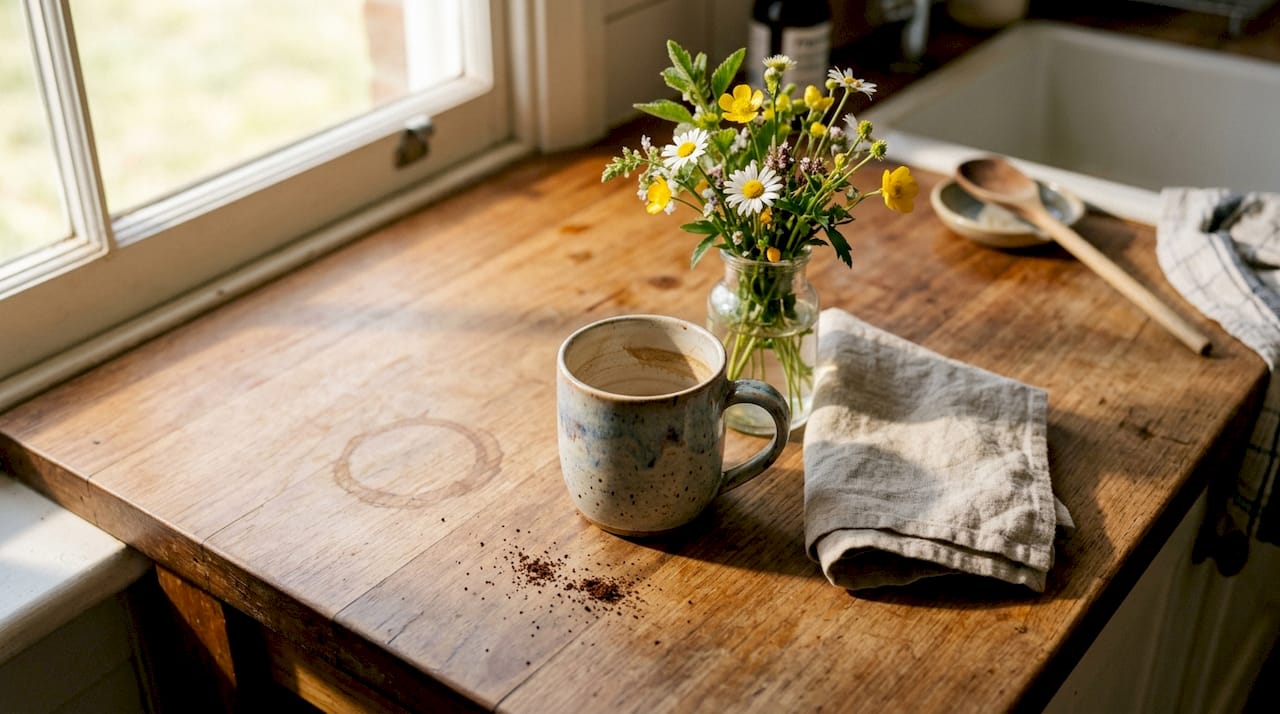
Ceramic mug styles vary enormously, from rustic to refined, and understanding those differences helps you choose one that genuinely fits your ritual rather than just filling a shelf.
Size and handle: the overlooked essentials
Capacity is a personal thing. A standard 300ml mug suits a short black or chai latte, while a generous 400ml handles a long flat white or a big pot of breakfast tea. Choosing the wrong size means either a lukewarm drink or a half-filled cup that never felt intentional.
The handle is equally important. It should allow three fingers to loop through comfortably, with enough clearance that your knuckles do not graze the hot ceramic. A handle that is too small creates a pinch grip, which feels tense rather than relaxed, exactly the opposite of what a slow morning ritual should feel.
When choosing the perfect ceramic mug, pay attention to the handle attachment points. On well-made artisanal pieces, these are reinforced and smooth, while cheaper factory mugs often show rough join lines that can weaken over time.
Why artisanal mugs genuinely enhance the experience
There is a body of sensory research showing that the weight, texture, and colour of a vessel affects how we perceive the taste of what is inside it. A heavier mug tends to make coffee feel richer. A rough, textured surface invites a slower, more deliberate grip. These are not marketing claims but documented sensory responses.
Handmade mugs carry something mass-produced ones cannot: visible evidence of the maker's hand. A slight irregularity in the rim, a glaze that shifts from teal to grey in the morning light, a foot ring that was trimmed by a real person. These details make the mug feel like it belongs to you, rather than to a warehouse shelf.
Pro Tip: Before buying, hold the mug in both hands and close your eyes. If the weight and warmth feel natural and calming, it is the right one. No amount of visual appeal compensates for a mug that feels awkward to hold.
- Choose a capacity that matches your actual drink volume, not an aspirational one
- Look for glazes labelled food-safe and lead-free, especially on handmade pieces
- Avoid very thin rims if you prefer a slow sip, as they can feel too delicate and heat the lip area uncomfortably
- A heavier base adds stability and signals quality craftsmanship
- Explore minimalist mug design for inspo on how restraint in decoration can amplify a mug's presence
Browse the coffee mug collection if you want to see how considered Australian ceramics handle these design principles in practice.
Essential tools and setup for mindful mug use
Once you have chosen a mug worth caring about, the next step is setting up a small, practical system around it. Mindful mug use does not require a cupboard full of products, just the right few.
Your daily mug toolkit
| Tool | Purpose | Why it matters |
|---|---|---|
| Ventilated mug rack | Upright open storage | Reduces dust and allows air circulation |
| Soft non-scratch sponge | Daily cleaning | Protects glaze from micro-scratches |
| White vinegar or bicarbonate of soda | Natural stain removal | Gentle on ceramic surfaces |
| Dedicated shelf liner | Prevents base scratching | Keeps mugs stable and protected |
| Small jug or rinse cup | Quick mid-day rinse | Removes tannins before they set |
The ventilated rack deserves special attention. Mugs stored in closed, airless cupboards tend to accumulate moisture and, over time, faint musty odours. Store mugs upright in ventilated areas to minimise dust and bacterial growth, according to expert storage guidance. Open shelving or a freestanding rack with space between mugs is ideal.
Good ceramic mug care tips consistently point to ventilation as the single most impactful factor in mug hygiene, above cleaning frequency or product choice.
Organisation that works visually and practically
- Store mugs by ritual: morning coffee mugs at eye level, afternoon tea cups on a lower shelf
- Leave at least 3 to 4 centimetres between stored mugs to allow airflow
- Wipe the inside of shelves weekly with a dry cloth to prevent dust build-up
- Rotate your collection so every mug gets used, reducing the chance of musty smells developing in forgotten favourites
- Keep cleaning supplies within arm's reach of the sink so the rinse step never feels like an effort
A thoughtful setup takes about twenty minutes to arrange and dramatically reduces the daily effort of keeping mugs clean and accessible. The goal is to make the right behaviour the easy behaviour.
Step-by-step routine for using and storing mugs
With the right mug chosen and your setup in place, a simple daily routine is all that stands between a mediocre morning drink and a genuinely nourishing ritual.
The daily mug routine
- Inspect the mug before use. Check for chips, hairline cracks, or any residual odour from previous storage. A quick visual check takes three seconds and catches issues before they affect your drink.
- Rinse with hot water for ten seconds before brewing. This pre-warms the mug and removes any dust or residual cleaning product from the surface.
- Brew your beverage with intention. Place the mug on a stable surface, use water at the correct temperature for your chosen drink, and give yourself a moment to notice the aroma before rushing off.
- Enjoy slowly. Hold the mug with both hands when possible. The warmth is part of the experience, not just a byproduct of a hot drink.
- Rinse immediately after finishing. Do not leave tea or coffee sitting in the mug for more than thirty minutes. Tannins and oils bind to the ceramic surface quickly, making stains harder to remove later.
- Wash gently with a soft sponge and mild detergent. Most well-made ceramic mugs are dishwasher-safe, but a gentle hand wash preserves glazes longer.
- Dry fully before storing. Even a slightly damp mug placed in a cupboard can develop mildew odours within a few days.
- Store upright in a ventilated space. As expert storage research confirms, upright positioning in airy conditions is the most hygienic option.
"The ritual is not in the coffee. It is in the pause, the warmth in your hands, and the quiet moment before the day begins."
Pro Tip: Set a small hand towel next to your mug rack so drying before storage becomes automatic rather than something you forget. Micro-habits like this are what make a routine stick.
Matching mug designs to specific rituals, such as a tall mug for French press mornings and a wide, shallow cup for matcha, creates a lovely visual cue that reinforces the habit of slowing down.
Common storage mistakes to avoid
| Mistake | Why it is a problem | Better approach |
|---|---|---|
| Stacking mugs | Chips rims, traps moisture | Store upright, single layer |
| Closed airless cupboards | Promotes bacterial growth | Use open shelving or racks |
| Storing while damp | Creates mildew odours | Always fully dry first |
| Leaving dregs overnight | Stains and bacteria multiply | Rinse within 30 minutes |
Troubleshooting: Common mistakes and how to fix them
Even with a good routine in place, mugs develop problems over time. Here is how to address the most common ones quickly and effectively.
Dusty or musty-smelling mugs
This is almost always a ventilation issue. According to expert guidance on mug storage, storing mugs upright in ventilated areas directly minimises both dust accumulation and bacterial growth. If your mugs smell musty, move them to an open rack immediately and wash each one with a solution of one part white vinegar to four parts warm water.
Statistic to know: Studies on household bacteria suggest that damp, enclosed environments can harbour significantly higher microbial counts compared to dry, open storage surfaces. Your cupboard is not a neutral space.
Stubborn coffee and tea stains
- Soak the stained mug in warm water with a tablespoon of bicarbonate of soda for fifteen minutes
- Gently scrub with a soft cloth, not a metal scourer, which scratches the glaze and creates micro-grooves where stains embed more deeply
- For very stubborn tannin stains, a paste of bicarbonate of soda and a small amount of hydrogen peroxide left on the surface for five minutes works well
- Prevention is far easier: rinse within thirty minutes of finishing your drink, every single time
Pro Tip: A dedicated mug maintenance guide will walk you through seasonal deep-clean routines that keep glazes looking fresh for years.
Chipped handles and hairline cracks
A small chip on a handle is not just cosmetic. It creates a structural weak point that can cause the handle to detach suddenly, often when the mug is full. Do not use a mug with a cracked handle for hot drinks. If you love the piece, reserve it for dry storage of pens or small plants, where the risk is purely aesthetic.
Hairline cracks in the body of a ceramic mug can harbour bacteria even after thorough washing. Once cracked, a mug is best retired from food or drink use.
- Inspect all mugs monthly for hairline cracks and chips
- Keep a small rotating reserve of favourite mugs so you are never tempted to use a damaged one
- Outdoor or durable camping mugs use thicker walls and more robust glazes, making them a smart option if breakage is a frequent frustration
A fresh perspective: Mindful mug routines redefine daily rituals
Here is the thing most people miss: your morning mug is not just a vessel. It is a daily decision about how much care you bring to your own life.
We invest in good coffee beans, filtered water, even a quality grinder. Then we pour it all into a dusty mug grabbed from the back of a dark cupboard, stacked crookedly on top of three others. The inconsistency is worth noticing.
The evidence is clear that upright, ventilated storage is more hygienic. But the deeper point is not about bacteria. It is about what it feels like to reach for a mug that is clean, dry, beautiful, and positioned like it matters. That small act of readiness changes the quality of the moment that follows.
Artisan mugs are not a luxury for people with spare money. They are a commitment to the idea that ordinary moments deserve beautiful objects. When you hold something made by someone's hands, you slow down, even just slightly. And in a day that moves fast, that slight slowing is worth protecting.
Bring artistry to your daily mug ritual with Muggie
If reading this has made you want to reassess the mug you reach for every morning, you are in the right place.
Muggie's curated collection of handcrafted Australian ceramics is built around exactly this philosophy: that daily rituals deserve thoughtful, beautiful objects. From the handmade flame mug with its kiln-fired colour shifts, to a delicate artisan tea cup gift box perfect for gifting or personal treats, every piece is designed to make your morning feel intentional. Explore the full coffee mug collection to find a mug that fits your ritual, your hands, and your home.
Frequently asked questions
Is it better to store mugs upright or upside down?
Upright storage in ventilated areas minimises dust and bacterial growth, while storing mugs upside down can trap moisture inside the cup, creating a damp environment where bacteria thrive.
How do I prevent coffee stains on my mug?
Rinsing your mug within thirty minutes of finishing your drink and using a mild non-abrasive cleaner regularly prevents tannins from bonding to the glaze and keeps the surface looking fresh.
What materials are best for daily mug use?
Ceramic and stoneware are the best choices for daily use because they offer superior heat retention, resist absorbing flavours over time, and develop a beautiful character with regular handling.
Can stacking mugs cause damage or hygiene issues?
Yes, stacking mugs increases the risk of rim chips and cracks while also trapping moisture between surfaces, which can lead to bacterial growth and musty odours over time.
How often should I deep clean my ceramic mugs?
A thorough clean with bicarbonate of soda or white vinegar once a week, alongside a quick rinse after every use, is enough to keep ceramic mugs hygienic and free from stain build-up.