TL;DR:
- A tea ritual is a mindful, intentional sequence of actions that grounds you in the present moment. Different cultures shape their own versions, emphasizing aesthetics, social connection, or hospitality, which can inspire personal adaptations. The essence of a meaningful ritual lies in conscious attention and sensory engagement, not formal perfection or traditional gear.
There is a quiet power in making a cup of tea with purpose. Most people assume a tea ritual demands a bamboo whisk, a dedicated room, and years of practice. That assumption keeps countless tea lovers from experiencing one of the simplest and most rewarding mindfulness practices available to them. A tea ritual is really about intention, the deliberate choice to slow down, to pay attention, and to let the act of preparing and drinking tea anchor you to the present moment. This article unpacks what a tea ritual actually is, how different cultures have shaped their own versions, and how you can build one that genuinely fits your life.
Table of Contents
- What defines a tea ritual?
- How cultures shape tea rituals
- The role of intentionality and the senses
- Crafting your unique tea ritual at home
- Why a personal tea ritual is more valuable than mimicking tradition
- Enhance your tea ritual with artisanal ceramics
- Frequently asked questions
Key Takeaways
| Point | Details |
|---|---|
| Intention is essential | What matters most is your sense of presence and repetition, not following strict tradition. |
| Rituals are diverse | Different cultures approach tea rituals in their own unique way, offering inspiration for your own practice. |
| Senses transform tea | Focusing on sights, scents, and taste turns any cup into a mindful moment. |
| Create your own routine | You do not need elaborate tools—simple changes in how you prepare and enjoy tea can start a ritual. |
What defines a tea ritual?
At its core, a tea ritual is not a performance. It is a repeatable sequence of intentional actions that draw your attention inward and outward at the same time. You notice the warmth of the cup, the rising steam, the colour of the brew, the first sip. That noticing is what separates a ritual from simply drinking tea while scrolling through your phone.
The tea ceremony overview from Japan-Guide captures this well: a tea ritual can be formal, like a full Japanese chado ceremony with prescribed movements and silk robes, or it can be simplified into a smaller sequence at home. The common benchmark is intention plus a repeatable method, not perfection. This is genuinely liberating news for anyone who has felt intimidated by the idea of a ritual.
"The goal is not a flawless ceremony. The goal is to arrive in the moment, cup in hand."
Ritual elements do not need to be elaborate. They just need to be consistent and conscious. When you reach for ceramic tea cups and mindfulness practices, you begin to understand how even the vessel you choose contributes to the experience. The weight of a handcrafted ceramic cup in your palm signals to your brain that this moment is different, that it is worth savouring.
Here are the core components that can turn an ordinary tea-making routine into a genuine ritual:
- Choosing your leaves with care, whether loose leaf or a high-quality tea bag
- Preparing your space, even briefly, by removing clutter or dimming harsh lights
- Selecting your vessel, one that feels good in your hands and appeals to your eye
- Heating water mindfully, paying attention to the sound of the kettle and the rising steam
- Pouring with attention, watching the colour bloom and the aroma rise
- Sitting with your first sip, without immediately reaching for your phone or a task
Each of these steps is simple. Together, they create a container for presence.
How cultures shape tea rituals
Once you understand what a tea ritual is at its foundation, looking at how different cultures have codified their own versions opens up a world of inspiration. The range is extraordinary. And the key insight is that no single culture holds a monopoly on what a "proper" tea ritual looks like.
As the Nordicwanderess guide to British afternoon tea highlights, a tea ritual does not necessarily mean matcha or an East Asian ceremony. British afternoon tea is structured around social pausing, with a specific order of service: tea poured first, then sandwiches, then scones, then pastries. Moroccan mint tea, by contrast, is an expression of hospitality through high, dramatic pours that aerate the tea, served in multiple rounds to guests.
| Culture | Key features | Setting | Social role |
|---|---|---|---|
| Japanese (chado) | Precise movements, whisk-prepared matcha, silence | Tea room or garden | Meditative, aesthetic |
| Chinese (gongfu cha) | Small clay or ceramic cups, multiple short steeps | Home or tea house | Contemplative, communal |
| British (afternoon tea) | Pot-brewed black tea, tiered food service | Drawing room or café | Social, celebratory |
| Moroccan (atay) | Mint, green tea, sugar, high pour technique | Living room, floor seating | Hospitality, welcome |
Each of these rituals reflects what a culture values most. Japan values aesthetic restraint and the philosophy of wabi-sabi, finding beauty in imperfection. Britain values structured sociality and the comfort of shared time. Morocco values generous hospitality expressed through time and theatrics. When you understand the why behind each ritual, you can borrow elements that resonate with your own values.
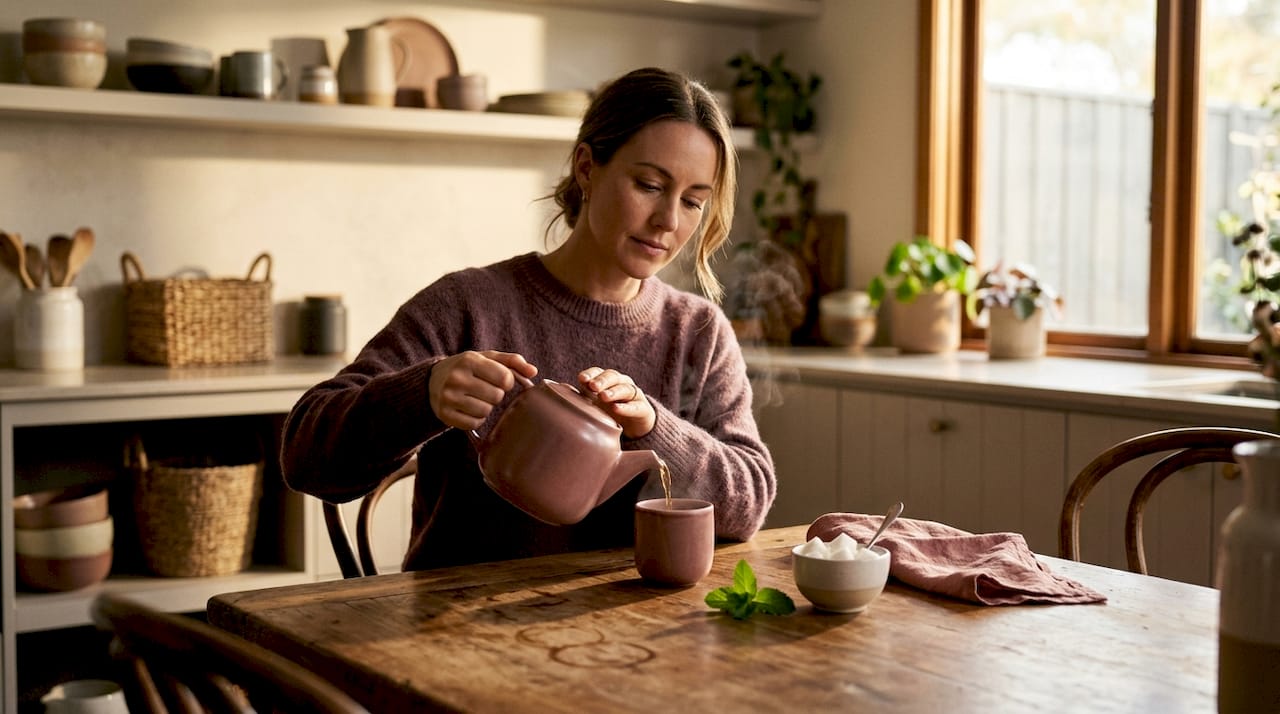
If you are drawn to the contemplative simplicity of Chinese gongfu tea, you might enjoy sipping from a Chinese tea cup that holds just 80ml, encouraging you to slow right down and take many small, attentive sips rather than one large mugful. If the British tradition appeals to you, the elegance of an English tea cup tradition with a proper saucer adds a gentle formality to your afternoon break.
Pro Tip: Do not confine yourself to just one cultural tradition. Some of the most rewarding personal rituals borrow freely across cultures. You might brew a Japanese sencha but serve it in a British-style cup, or enjoy Moroccan mint tea in a simple ceramic mug on your back verandah. The ritual belongs to you.
The role of intentionality and the senses
Culture gives you the template. Intention gives the ritual its meaning. This is where things get genuinely interesting, because intention is not a grand philosophical concept. It is a practical, repeatable commitment to paying attention.
Bon Appétit's guide to afternoon tea at home puts it plainly: the ritual is the sequence of attention. It is about choosing when to drink, preparing without multitasking, and savouring the aroma and taste, rather than needing an extensive ceremony setup. You do not need a tatami mat. You need a few minutes and a willingness to be present.
"Attention, not perfection, is what transforms an act into a ritual."
Engaging all five senses is the practical mechanism that makes this work. Sight draws you in first: the colour of your tea as it steeps, the glaze on your cup catching the light. Smell is arguably the most powerful cue for presence: the grassy freshness of green tea, the deep earthiness of pu-erh, the floral brightness of a jasmine blend. Touch grounds you physically: the heat of the cup, the smooth or textured surface of the ceramic. Sound is subtle but real: the hiss of boiling water, the quiet pour, the silence that follows. Taste, finally, is the reward for all that attention.
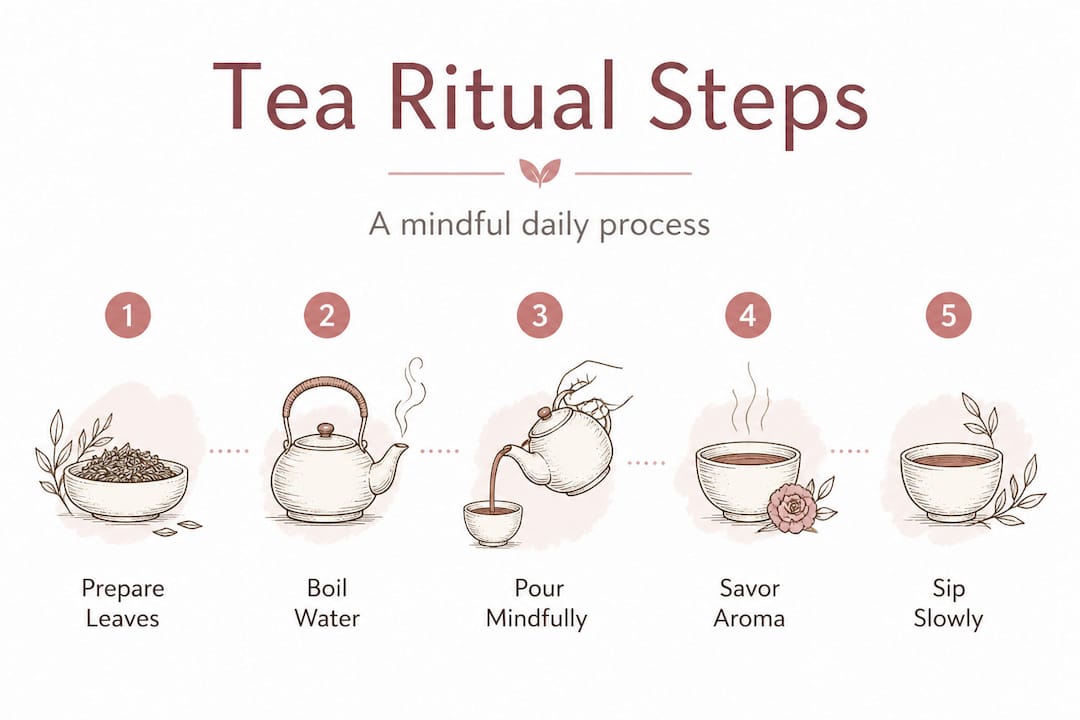
Here is a simple numbered sequence for choosing tea cups for slow living and building your ritual step by step:
- Set your intention before you even fill the kettle. Decide that this is a moment for you.
- Choose your tea based on your mood or the time of day, not just habit.
- Prepare your cup first, even rinsing it with warm water to pre-heat it.
- Watch the water as it heats. Notice the bubbles forming. Do not rush it.
- Pour slowly, watching the tea change colour as it steeps.
- Hold the cup with both hands for the first sip. Feel the warmth before you taste.
- Sit without a task for at least the first two minutes. Just drink.
Each step is a small act of redirection, pulling your attention back from the noise of the day and into the cup in your hands.
Crafting your unique tea ritual at home
Now that you have a framework and cultural inspiration, the practical question is how to build something sustainable. The best ritual is the one you will actually repeat. That means it has to fit your real life, not the life you imagine you might have.
Modern tea practice often looks quite abbreviated compared to traditional ceremonies, and that is entirely appropriate. The emphasis is on using the ritual to slow down and engage your senses, not on replicating every historical detail. A ten-minute morning ritual with a quality cup of tea can be just as grounding as a two-hour ceremony, if it is done with care.
Consider how these everyday variables shape the quality of your experience:
| Element | Option A | Option B | Effect on ritual |
|---|---|---|---|
| Time of day | Morning, before screens | Afternoon break | Sets tone for the day vs. resets midday energy |
| Cup type | Handcrafted ceramic | Mass-produced mug | Tactile engagement vs. neutral experience |
| Ambience | Quiet corner, natural light | Desk while working | Full presence vs. divided attention |
| Tea variety | Loose leaf, intentionally chosen | Random tea bag | Flavour depth vs. convenience |
Small adjustments across these variables can dramatically shift how a cup of tea feels. You do not need to overhaul your morning. You need to make a few deliberate choices.
Some simple changes that can make even a busy midweek cuppa feel more mindful:
- Step away from your desk to prepare your tea, even if just for two minutes
- Use a cup you love rather than whichever mug is closest in the cupboard
- Smell your tea before the first sip to engage your senses more fully
- Sit by a window or step outside if the weather allows
- Put your phone face-down for the duration of your tea
Pro Tip: Your choice of vessel genuinely influences the quality of your attention. Research in sensory psychology consistently finds that the weight, texture, and colour of a cup affect the perceived flavour and temperature of its contents. A handcrafted Ru Kiln tea cup with its distinctive crackle glaze and warm earthy tones is not just beautiful. It is a sensory cue that signals to your brain: this moment is special.
Why a personal tea ritual is more valuable than mimicking tradition
Here is an uncomfortable truth that gets overlooked in most writing about tea rituals: the reverence for formal tradition can actually get in the way. When people feel they are "doing it wrong" because they do not have the correct clay teapot or the right grade of matcha, they either give up on the ritual entirely or perform it without genuine presence. Neither serves them well.
Conventional wisdom tends to frame tea rituals as something to be learned correctly, to be replicated faithfully. But the evidence from centuries of tea culture actually points in the opposite direction. Every great tea tradition began as someone's personal adaptation of what came before. Gongfu cha evolved from earlier Chinese brewing methods. The British afternoon tea was invented in the 1840s by a single duchess who was hungry between meals. These were not ancient immovable truths. They were human solutions to human needs.
The most valuable tea ritual is the one you will repeat tomorrow, and the day after that. It should reflect your tastes, your rhythms, your home, and your favourite cup. When you explore embracing mindful rituals through the lens of personal meaning rather than cultural performance, the whole practice becomes lighter and more sustainable.
Blend tradition and modernity freely. Borrow the Japanese value of quiet attention. Borrow the Moroccan value of generous, unhurried time. Use them with your favourite Australian ceramic cup on your own back verandah. That is not cultural dilution. That is ritual in its most authentic form: a living, evolving practice that belongs to you.
Enhance your tea ritual with artisanal ceramics
If this article has sparked something in you, the next most satisfying step is choosing a vessel that matches the intention behind your ritual.
At Muggie, we make handcrafted ceramic tea cups designed for exactly this kind of daily, meaningful use. Whether you are drawn to the contemplative elegance of our ceramic tea cups range or the cultural richness of a traditional Chinese style teacup, each piece is made to be held, used, and loved every single day. Our food-safe, dishwasher-friendly ceramics bring artisanal beauty into ordinary mornings without any fuss. If you are looking for a thoughtful gift for a fellow tea enthusiast, our giftable tea sets offer a beautifully curated way to share the gift of slow living with someone you care about.
Frequently asked questions
Is a tea ritual always formal or ceremonial?
No, a tea ritual can be entirely casual, focusing on intention and sensory presence rather than strict rules or formal equipment. A simplified sequence at home qualifies fully as a ritual when it is carried out with genuine attention.
What are the key elements of a simple tea ritual?
The most important elements are choosing your time with care, preparing your tea without multitasking, engaging your senses, and drinking from a vessel you enjoy. As Bon Appétit notes, the ritual is the sequence of attention, not the complexity of the setup.
Can I create a personal tea ritual if I don't have special equipment?
Absolutely. Intention and focus matter far more than owning traditional tea sets or specialised tools. A repeatable, intentional method is all that is required to turn a simple cup of tea into a meaningful ritual.
How do different cultures define a tea ritual?
Japan, China, Britain, and Morocco each have distinct ritual structures, ranging from meditative, movement-based ceremonies to lively, hospitality-driven social gatherings. All of them share the common thread of intentional, structured time around tea.