TL;DR:
- Handmade ceramics are valued for their uniqueness, storytelling, and tactile qualities.
- They promote mindful gifting by fostering daily rituals and emotional connection.
- Compared to mass-produced items, they offer authenticity, craftsmanship, and sustainability.
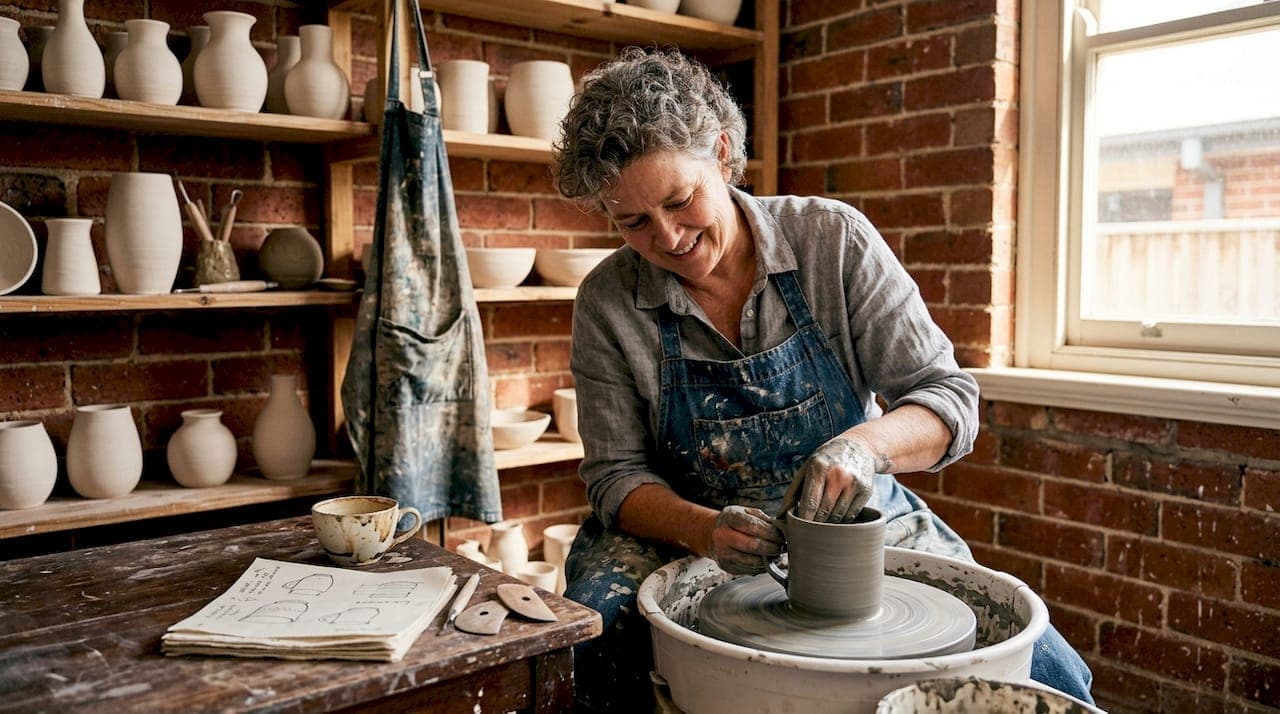
Handmade ceramics have long been dismissed as pretty objects that sit on shelves and collect dust. That assumption misses something important. Today, gift shoppers are actively seeking pieces that carry meaning, support daily rituals, and connect them to the hands that made them. The rise of slow living and mindful gifting has shifted what people want to give and receive. A handmade ceramic mug or tea cup is no longer just a vessel. It is a quiet invitation to pause, to savour, and to be present. This article explores why handmade ceramics have become one of the most valued categories in contemporary gift shops.
Table of Contents
- What makes handmade ceramics special for gift shops?
- How handmade ceramics elevate mindful gift-giving
- Comparing handmade ceramics to mass-produced alternatives
- Finding the perfect handmade ceramic gift
- Why handmade ceramics resonate so deeply with modern shoppers
- Explore unique handmade ceramics for your next mindful gift
- Frequently asked questions
Key Takeaways
| Point | Details |
|---|---|
| Uniqueness matters | Each handmade ceramic piece is one-of-a-kind, making gifts truly special. |
| Supports mindful living | Handmade ceramics are perfect for slow, intentional rituals and daily use. |
| Gift shop advantage | Gift shops offer a carefully curated selection of artisanal ceramics for style and meaning. |
| Buy with intention | Choosing ceramics that suit the recipient’s habits ensures your gift gets used and treasured. |
What makes handmade ceramics special for gift shops?
Every handmade ceramic piece begins as raw clay shaped by human hands. That origin story is part of what makes these objects so compelling to gift shop customers. Unlike factory-made goods, each piece carries the subtle marks of its maker, slight variations in glaze, texture, and form that tell you something real was made by someone who cared. That authenticity is increasingly rare, and shoppers notice.
The ceramic tableware market was valued at $90.85 billion in 2024 and is projected to reach $150 billion by 2034, growing at a 5.15% annual rate, with artisanal pieces driving premium segment growth through unique designs. This is not a niche trend. It is a market-wide shift toward quality and individuality over volume.
What specifically draws gift shop buyers to handmade ceramics? A few qualities stand out:
- Uniqueness: No two handmade pieces are identical. A slight variation in glaze pooling or a gentle thumbprint in the clay makes each item genuinely one of a kind.
- Storytelling: Handmade ceramics carry a narrative. Who made it, where, and using what technique all add layers of meaning.
- Tactile quality: The weight, texture, and warmth of a handmade piece feels different in your hands. That sensory experience matters when choosing a gift.
- Alignment with slow living: These pieces invite a slower pace. They suit morning rituals, quiet afternoons, and intentional moments.
Gift shoppers are also drawn to ceramic gift sets because they offer a complete, considered experience rather than a single item. A set communicates thoughtfulness in a way a solitary object sometimes cannot.
"A handmade ceramic is not just a product. It is a conversation between maker and recipient, carried forward every time it is used."
Pro Tip: Look for a maker's mark, signature, or stamp on the base of any handmade ceramic. This small detail confirms authenticity and often tells you exactly who crafted the piece. A floral mug with saucers bearing a maker's mark, for instance, becomes a far more personal gift than anything pulled off a mass-production line.
Handmade ceramics also support a broader cultural shift. Shoppers are increasingly aware of where their purchases come from and what values they represent. Choosing handmade is a quiet act of supporting craft, community, and conscious consumption.
How handmade ceramics elevate mindful gift-giving
Giving a handmade ceramic is different from handing over a gift card or a generic item from a department store shelf. There is intention built into the act. You have chosen something made by human hands, something that will likely be used every single day, and something that carries a story worth sharing.

This is where the concept of mindful gift-giving becomes tangible. Ceramics for slow coffee and tea rituals are not just beautiful objects. They become tools for presence. A recipient who uses a handmade mug each morning is reminded, however briefly, that someone chose this for them with care.
Independent retailers hold 35.3% of the handicrafts market share, offering unique local products to authenticity-seeking consumers. This tells us something about what modern shoppers value. They are not just buying objects. They are buying connection, locality, and meaning.
Choosing a mindful ceramic gift is easier when you follow a few considered steps:
- Think about the maker. Is the piece locally crafted? Does the maker have a clear philosophy or story? Knowing this adds depth to the gift.
- Consider the material and finish. Food-safe glazes, dishwasher-friendly finishes, and quality clay bodies all matter for daily use. A beautiful piece that cannot handle real life is not a truly useful gift.
- Match the piece to a ritual. Does your recipient love slow morning tea? A delicate tea cup suits them. Are they a dedicated coffee drinker? A sturdy, well-weighted mug fits their daily rhythm.
- Think about longevity. Handmade ceramics are built to last. A piece chosen with care can become a treasured part of someone's daily life for years.
"The best gifts are the ones that become part of someone's everyday story, not the ones that sit in a cupboard waiting for a special occasion."
Handmade ceramics achieve exactly that. They are used, loved, and woven into daily life in a way that mass-produced alternatives rarely manage.
Comparing handmade ceramics to mass-produced alternatives
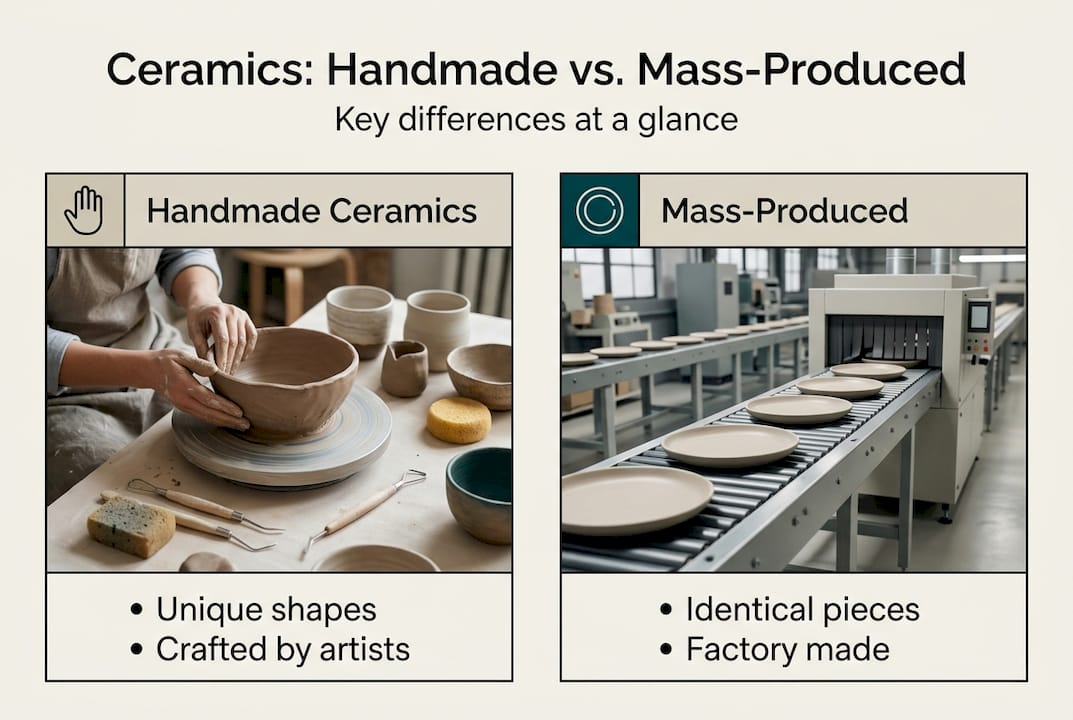
To appreciate what handmade ceramics offer, it helps to look at them side by side with mass-produced options. The differences go well beyond aesthetics.
| Feature | Handmade ceramics | Mass-produced ceramics |
|---|---|---|
| Uniqueness | Every piece differs slightly | Identical across batches |
| Craftsmanship | Made by skilled hands | Machine-formed and uniform |
| Emotional value | Carries a story and maker's touch | Minimal personal connection |
| Glaze character | Variable, rich, often unexpected | Consistent but flat |
| Price point | Premium, reflects labour and skill | Low cost, volume-driven |
| Longevity as a gift | Often kept and treasured | Frequently replaced |
| Environmental impact | Small-batch, often local | High-volume production |
Artisanal pieces drive premium segment growth precisely because they offer what mass production cannot replicate: character. The slight imperfections in a handmade glaze are not flaws. They are evidence of process, of fire, of a human decision made in the moment of making.
Mass-produced ceramics serve a purpose. They are affordable, consistent, and widely available. But when you are choosing a gift, consistency is rarely the quality you are reaching for. You want something that feels chosen, considered, and real.
The flame ceramic mug is a strong example of what handmade character looks like in practice. The kiln-change effect produces a colour shift that cannot be exactly replicated. Each piece emerges from the kiln slightly different, which means the person receiving it holds something genuinely singular. Similarly, the forest green ceramic mug showcases how glaze depth and variation create visual richness that no factory process can duplicate.
Pro Tip: When shopping for handmade ceramics, ask the retailer or maker about the technique used to create the glaze or finish. Understanding whether a piece was wood-fired, reduction-fired, or hand-glazed gives you a richer story to share when you give the gift.
Finding the perfect handmade ceramic gift
With a clearer sense of what makes handmade ceramics valuable, the practical question becomes: how do you choose the right one? A few key factors help narrow the decision.
- Occasion: A birthday calls for something celebratory, perhaps a beautifully glazed mug or a complete tea set. A housewarming suits a practical, everyday piece that fits seamlessly into a new home.
- Recipient's personality: Someone who loves quiet mornings and herbal tea will appreciate a delicate ceramic tea cup. A bold, expressive person might love a statement mug with strong colour and texture.
- Colour and aesthetic: Consider the recipient's home palette. Neutral, earthy tones suit minimalist interiors. Rich, layered glazes suit eclectic or maximalist spaces.
- Practical use: Will this piece be used daily? If so, prioritise food-safe, dishwasher-friendly ceramics that hold up to real life.
Sets versus single pieces is also worth considering. A single, beautifully chosen mug can be deeply personal. A set communicates abundance and generosity. For someone who loves to host or share rituals with others, a set is often the more meaningful choice.
Independent retailers hold 35.3% of the handicrafts market, which reflects how strongly shoppers value locally sourced, authentic products. Buying from a local or independent ceramics maker adds another layer of meaning to your gift.
| Recipient type | Lifestyle | Recommended ceramic gift |
|---|---|---|
| Tea lover | Slow mornings, mindful rituals | Delicate handmade teacup or tea set |
| Coffee enthusiast | Daily rituals, bold flavours | Sturdy handmade mug with character glaze |
| Home entertainer | Hosting, sharing, presenting | Ceramic gift set or matching cup collection |
| Minimalist | Clean aesthetics, intentional living | Single-colour, textured mug or bowl |
| New homeowner | Building a home, fresh start | Practical everyday set in neutral tones |
Looking for a maker's signature or a locally made label is one of the simplest ways to ensure authenticity. These small markers confirm that what you are buying is genuinely handcrafted rather than machine-made with a handmade aesthetic applied as marketing.
Why handmade ceramics resonate so deeply with modern shoppers
We think about this a lot at Muggie. The question is not simply why handmade ceramics are popular right now. The more interesting question is why they keep mattering, year after year, regardless of what trend cycles through the homeware market.
The honest answer is that handmade ceramics ask something of you. They ask you to slow down. To hold the cup with both hands. To notice the weight, the warmth, the way the glaze catches the light. In a world that rewards speed and efficiency, that invitation to pause is genuinely countercultural.
Modern shoppers are not just buying objects when they choose handmade. They are choosing a relationship with the material world that feels more honest. There is a maker behind every piece. There is a process, a fire, a set of hands. That traceability matters in an era of anonymous mass production.
We also believe that slow-living ceramics have a unique role in the gifting space because they are used, not stored. A handmade mug becomes part of someone's morning. A tea cup becomes part of their ritual. The emotional impact of that daily presence far outlasts the moment of unwrapping. That is what makes these gifts endure beyond a trend.
Explore unique handmade ceramics for your next mindful gift
If you are ready to give something that genuinely matters, the right piece is already waiting. At Muggie, every ceramic is chosen for its craftsmanship, its daily usability, and its ability to bring a little more intention into everyday life.
Browse our curated ceramic gift sets for a complete gifting experience that feels considered from the first look. For something elegant and ritual-focused, the ru tea set petal is a beautiful choice that suits both seasoned tea lovers and those just beginning a slow-morning practice. You can also explore our full range of shop ceramic tea cups to find a piece that matches your recipient's personality and daily rituals perfectly.
Frequently asked questions
Why are handmade ceramics considered ideal gifts?
Handmade ceramics make ideal gifts because each piece is unique and carries personal significance, creating a genuine story between giver and receiver. The ceramic tableware market growing toward $150 billion by 2034 reflects how strongly consumers value artisanal, individually crafted pieces.
What should I look for when buying handmade ceramics as a gift?
Focus on craftsmanship, the maker's signature, the intended use, and how the piece suits the recipient's lifestyle or rituals. Choosing from independent retailers who hold 35.3% of the handicrafts market ensures you are accessing genuinely curated, authentic products.
How do handmade ceramics differ from mass-produced ones?
Handmade ceramics are unique, often carry slight imperfections, and tell a story, while mass-produced items are uniform and made in bulk. Artisanal pieces command premium value precisely because their character cannot be replicated by machine.
Are handmade ceramics a sustainable gift option?
Handmade ceramics often support local makers and use small-batch processes that are more sustainable than high-volume manufacturing. Buying from independent retailers who hold 35.3% of the handicrafts market directly supports local craft economies and more conscious production practices.