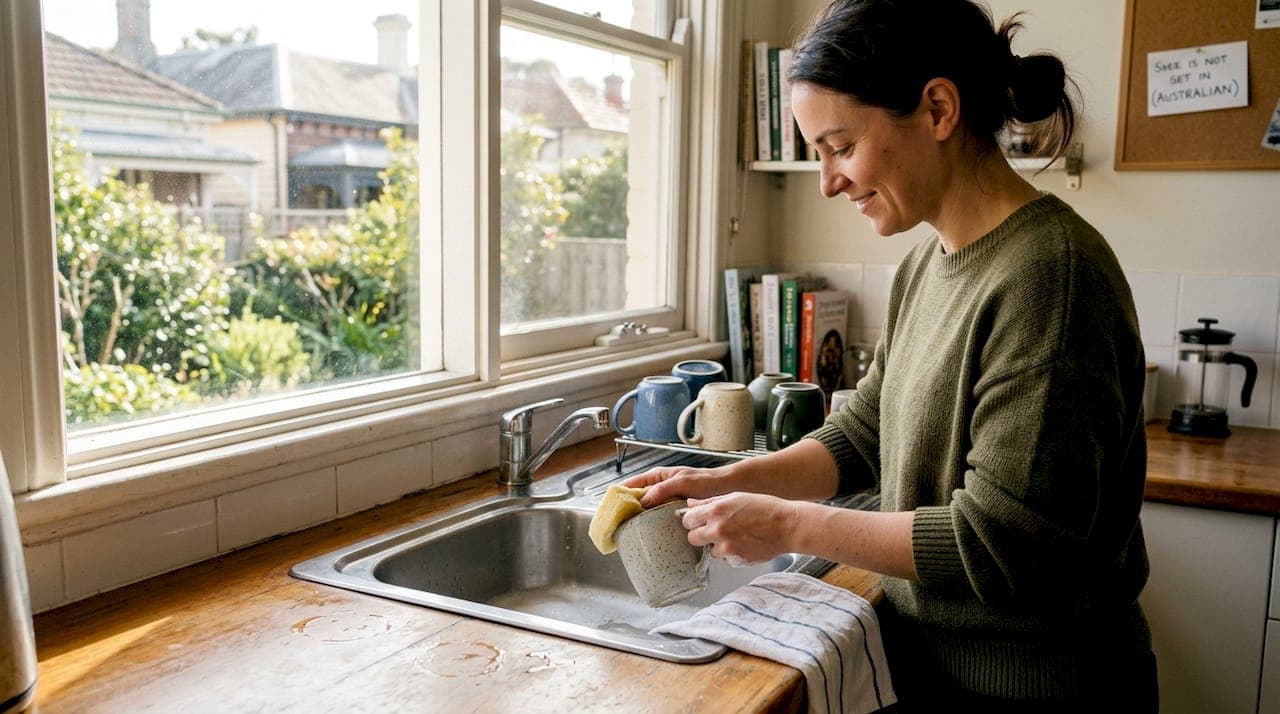
TL;DR:
- Proper handwashing and gentle storage extend ceramic mug lifespan and preserve their beauty.
- Regular inspection and careful handling are essential for vintage or cracked mugs to ensure safety.
- Thoughtful mug care fosters a mindful connection, reducing waste and emphasizing craftsmanship.
There is a particular disappointment in reaching for your favourite handcrafted mug one morning and noticing the glaze has dulled, a hairline crack has appeared, or the colour has shifted from something vibrant to something tired. It happens gradually, often because of small habits that seem harmless at the time. The good news is that ceramic mugs are remarkably resilient when given a little thoughtful attention. This guide walks you through everything you need to know, from the right cleaning supplies to long-term storage, so your mugs stay beautiful and safe to use for years to come.
Table of Contents
- What you need to care for ceramic mugs
- How to clean ceramic mugs properly: Step-by-step guide
- Special care for cracked, crazed, or vintage mugs
- Long-term storage, display, and mug rotation
- Why thoughtful mug care matters more than you think
- Find mugs worth caring for at Muggie
- Frequently asked questions
Key Takeaways
| Point | Details |
|---|---|
| Handwashing is best | Washing by hand with a mild detergent protects a mug’s glaze and extends its life. |
| Inspect for cracks | Check mugs regularly for crazing, chips or stains and adjust their use accordingly. |
| Store with care | Proper storage and rotation help preserve your mug’s beauty and prevent damage. |
| Special care for vintage | Crazed or vintage mugs require extra precautions—handwash and consider displaying instead of daily use. |
What you need to care for ceramic mugs
Before you change anything about how you wash or store your mugs, it helps to gather the right tools. Caring for ceramics is not complicated, but using the wrong products, even once, can cause lasting damage to a glaze that took a skilled maker hours to perfect.
Here is what you will want on hand:
- Mild dish detergent (fragrance-free is ideal, as strong chemicals can affect porous glazes)
- Soft sponge or cloth (never abrasive scourers, which scratch and dull the surface)
- Soft, lint-free drying towel
- Clean, lukewarm water (avoid extreme temperature changes, which stress the clay body)
- Baking soda and white vinegar for occasional stain removal
Understanding your mug's glaze and finish also matters. Some handcrafted ceramics use matte or reactive glazes that are more porous than standard commercial finishes. These need gentler handling. When choosing the right ceramic mug, it is worth asking about the firing temperature and glaze type, as both affect how you should care for it.
| Cleaning method | Supplies needed | Pros | Cons |
|---|---|---|---|
| Handwashing | Mild detergent, soft sponge, towel | Protects glaze, gentle on finish | Takes more time |
| Dishwasher (top rack) | Mild detergent, gentle cycle | Convenient, saves time | Can erode glaze over time |
| Spot cleaning | Baking soda, soft cloth | Great for stains, no soaking needed | Not a full clean |
Handwashing extends ceramic mug lifespan significantly compared to dishwashing, particularly for handcrafted or designer ceramic mugs with intricate surface treatments. The mechanical action and heat inside a dishwasher are simply more aggressive than a careful hand wash, even on a gentle cycle.
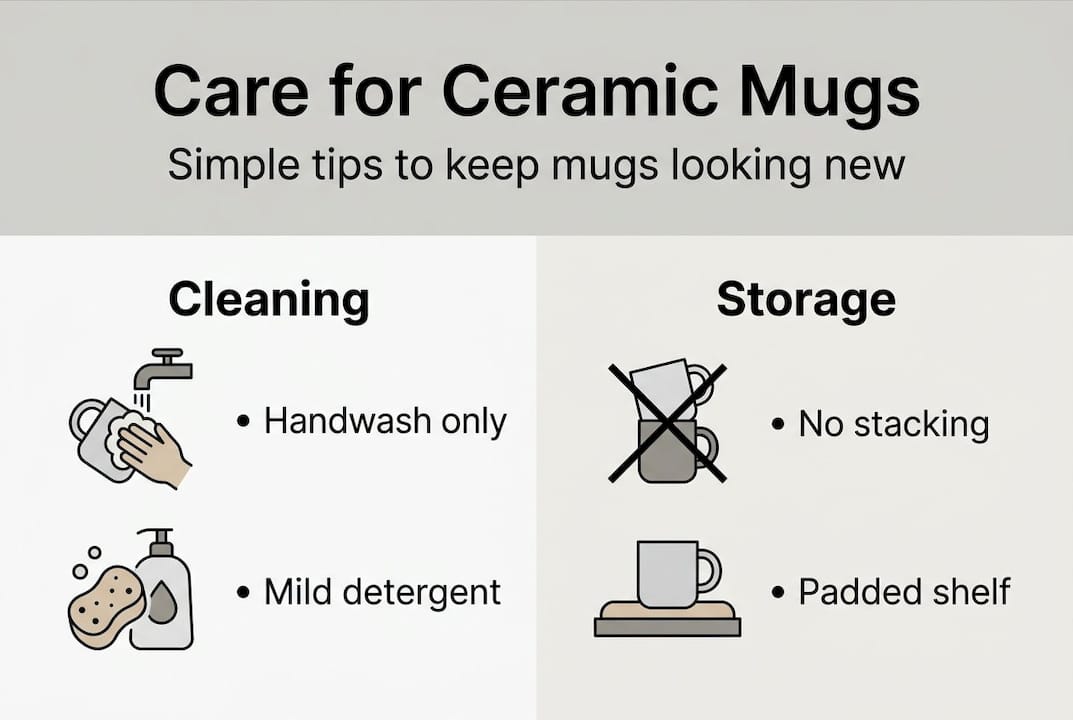
Pro Tip: Always check the manufacturer's label or product listing before the first wash. Some artisan pieces are marked handwash only, and ignoring this can void any care guarantee or cause irreversible damage to the finish.
How to clean ceramic mugs properly: Step-by-step guide
With your supplies ready, here is the essential cleaning routine that protects your mugs' finish and keeps them looking their best wash after wash.
- Rinse immediately after use. Do not let coffee or tea sit and dry inside the mug. A quick rinse with lukewarm water removes most residue before it has a chance to stain.
- Add a small amount of mild detergent to a damp soft sponge. You do not need much.
- Scrub gently in circular motions, paying attention to the interior base where staining is most common. Avoid scrubbing the exterior decoration with anything rough.
- Rinse thoroughly with clean lukewarm water until no soap remains. Soap residue left on the interior affects the taste of your next drink.
- Dry completely with a soft towel before storing. Air drying is fine, but leaving water pooled inside can encourage mineral deposits over time.
For stubborn coffee or tea stains, make a paste from baking soda and a few drops of water, apply it to the stained area, and leave it for five minutes before scrubbing gently. White vinegar works well too. Fill the mug halfway with diluted vinegar, leave for ten minutes, then rinse. Both methods are effective and safe for most glazed ceramics. You can read more about morning ceramic mug care as part of a broader daily ritual.
Important: Repeated dishwasher use causes gradual glaze erosion, reducing a mug's lifespan by 40 to 60 per cent. If you do use a dishwasher, always use the top rack, select a gentle cycle, and choose a mild detergent without bleaching agents. Even then, reserve this for convenience rather than routine.
Pro Tip: Never soak ceramic mugs for long periods. Water can seep into micro-cracks in the clay body or glaze, weakening the structure over time. A five-minute soak is fine for loosening dried residue, but overnight soaking is a habit worth breaking. For those who enjoy keeping mugs clean outdoors, a quick rinse and dry is always better than leaving them submerged.
Special care for cracked, crazed, or vintage mugs
While most mugs respond well to the basics, some special items demand extra attention. Knowing the difference between a cosmetic quirk and a genuine safety concern can save you from a nasty surprise.
Crazing refers to a network of fine cracks that appear in the glaze surface, often looking like a delicate web. It is caused by the glaze and clay body expanding and contracting at slightly different rates during temperature changes. Crazing is common in handmade ceramics and can be beautiful, but it does create tiny channels where bacteria and residues can accumulate.
Crazing means handwash only; inspect regularly for chips and cracks, as these trap residues and can harbour bacteria if not cleaned carefully.
Here is a quick reference for common mug conditions:
| Symptom | Recommended action | Safe to use? |
|---|---|---|
| Crazing (fine glaze cracks) | Handwash only, inspect regularly | Yes, with care |
| Small chip on rim | Retire or display only | Not for drinking |
| Deep crack through body | Retire immediately | No |
| Surface staining | Baking soda or vinegar treatment | Yes |
| Vintage lead glaze (pre-1980s) | Display only, do not use for food | No |
For identifying crazing in mugs, run a clean fingernail lightly across the interior surface. If you feel texture where the glaze should be smooth, crazing is present.
For sentimental or vintage pieces, consider transitioning them to display-only if the glaze is compromised. A beloved mug on a shelf is far better than a cracked one posing a hygiene risk.
Mugs worth retiring include those with chips on the rim or interior, deep cracks that go through the clay body, or any piece with a glaze you suspect contains lead (common in ceramics made before modern food-safety standards). For matching vintage mug designs with newer pieces in your collection, focus on colour palette and form rather than trying to find identical glazes.
- Inspect all mugs every few months under good light
- Run your finger along the rim to feel for chips you might not see
- Check the base for cracks that can spread upward with heat
- Retire any mug that feels rough inside after cleaning
Long-term storage, display, and mug rotation
Once your mugs are clean and damage-free, smart storage and display will keep them looking beautiful and safe to use over the long term.
The most common storage mistake is stacking mugs directly on top of each other. The weight and friction cause chips on rims and bases, especially for handmade pieces where the surface is less uniform than factory-produced ceramics. Instead, store mugs upright on a shelf lined with a thin foam mat or folded tea towel.
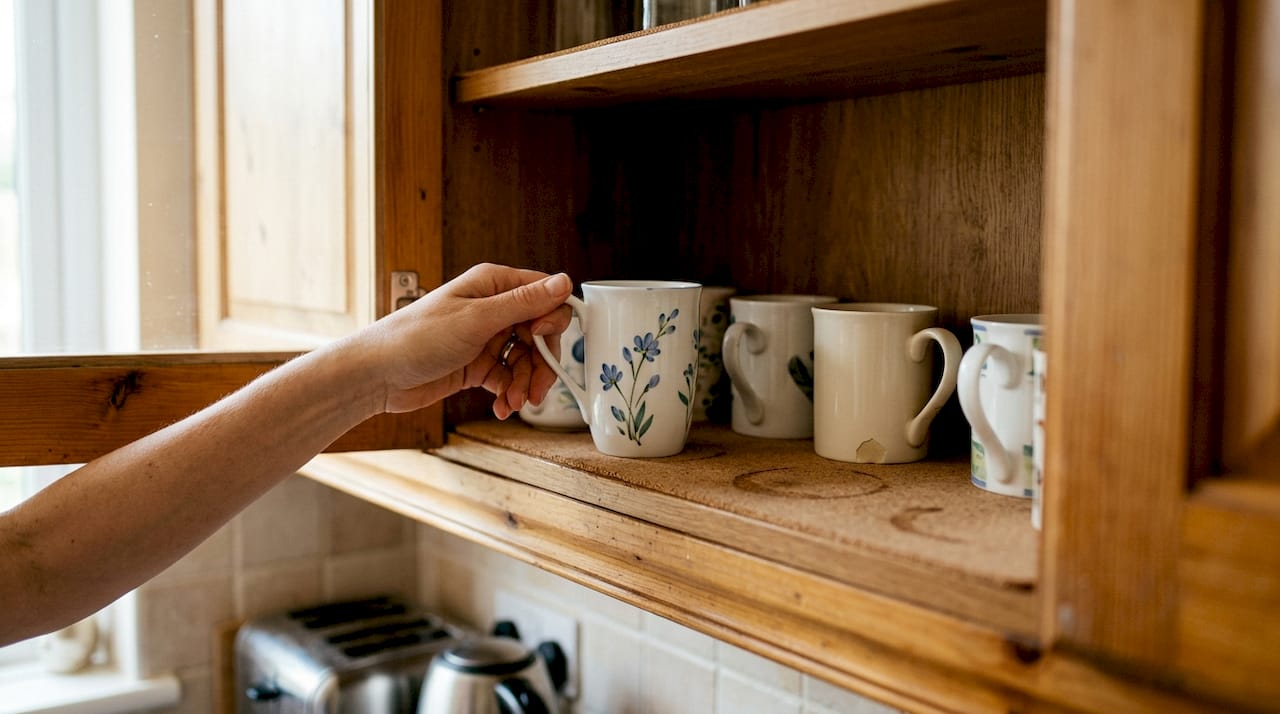
Ceramic mugs require regular inspection to ensure cracks have not developed and residues have not accumulated, particularly in mugs that sit unused for long periods.
For display, avoid placing mugs in direct sunlight. UV exposure fades glaze colours over time, particularly on hand-painted or reactive glaze pieces. A shaded shelf or closed cabinet is ideal. Dust is also worth considering; mugs left open on a shelf collect fine particles inside, which means a quick rinse before use even if the mug looks clean.
Rotating your collection is a habit that most enthusiasts overlook. If you have six mugs but always reach for the same two, the others sit unused while your favourites wear faster. A simple rotation, cycling through your collection each week, distributes wear evenly and means every mug gets its moment. It also gives you a reason to revisit pieces you might have forgotten. If you enjoy building a curating a tea cup collection, rotation is especially important for keeping delicate pieces in good condition.
Pro Tip: Use padded hooks or cork-lined shelves for heirloom or handmade mugs. The padding absorbs micro-vibrations from nearby foot traffic or cabinet doors closing, which over time can contribute to stress fractures in fine ceramics.
Simple practices that extend mug life:
- Store upright, never stacked rim-to-base
- Line shelves with a soft mat to prevent scratching
- Keep mugs away from direct sunlight and heat sources
- Rotate use across your full collection
- Rinse display mugs before use even if they look clean
- Inspect every few months for new cracks or chips
Why thoughtful mug care matters more than you think
Most people treat mug care as a chore. We would argue it is closer to a practice, and the distinction matters more than it sounds.
When you take a moment to handwash a mug carefully, dry it properly, and place it back on a padded shelf, you are doing something that runs counter to the throwaway culture most of us live inside. You are choosing to maintain something rather than replace it. That choice compounds over time into a genuine relationship with an object, the kind that makes a morning coffee feel different from one in a disposable cup.
The contrarian view worth sharing is this: quick machine washing does not just risk glaze erosion. It shortcuts the small ritual of care that keeps you connected to the things you own. People who develop the habit of craftsmanship in mug selection tend to also develop the habit of caring for what they choose, and the two reinforce each other.
Minor chips and cracks are also taken far too lightly. Beyond aesthetics, a chipped rim is a genuine hygiene concern, and a cracked body can harbour residues no amount of washing will reach. Whether you use your mugs indoors or explore ceramic mugs for outdoor use, the standard of care should be the same. Your mug is worth the effort.
Find mugs worth caring for at Muggie
If this guide has inspired you to look at your collection with fresh eyes, or to finally invest in pieces that reward careful attention, Muggie's handcrafted range is a good place to start.

Every piece in the coffee mug collection is made from food-safe ceramics with an artisanal finish that genuinely improves with mindful care. For those who love a slow morning ritual, the ceramic tea cups offer a tactile, considered alternative to everyday mugs. And if you want to share the experience, the ceramic mug gifts are curated sets that make the care guide you just read feel like a gift in itself. The right mug is worth looking after. Find yours at Muggie.
Frequently asked questions
Are all ceramic mugs dishwasher safe?
Many ceramic mugs are dishwasher-safe on the top rack with a gentle cycle and mild detergent, but repeated use causes gradual glaze erosion, so handwashing is always the better long-term choice. Always check the label before the first wash.
How do I remove coffee and tea stains from ceramic mugs?
Make a paste from baking soda and a small amount of water, apply it to the stain, leave for five minutes, then scrub gently with a soft sponge. A diluted white vinegar soak works equally well for stubborn marks.
Can I still use a ceramic mug with crazing or cracks?
Minor crazing can be fine for infrequent use if you handwash only and inspect regularly, as cracks trap residues over time. Deep cracks through the clay body mean the mug should be retired from drinking use immediately.
What's the best way to store a ceramic mug collection?
Store mugs upright on padded shelves in a dry spot away from direct sunlight, and rotate through your full collection regularly to distribute wear evenly and keep every piece in good condition.