TL;DR:
- Stoneware is a dense, durable, non-porous ceramic fired at high temperatures.
- It retains heat well and has a warm, tactile feel perfect for everyday use.
- Proper care involves gentle washing, avoiding thermal shock, and mindful handling for longevity.
Many people assume all ceramic mugs are essentially the same. Pick one up, pour your morning coffee, move on. But stoneware sits in a category of its own, shaped by centuries of craft and fired at temperatures that transform raw clay into something genuinely extraordinary. It is prized for high-end tableware, not just the humble utility ware of old. Whether you are choosing a mug for your own slow morning ritual or searching for a gift that will actually be used and loved, understanding what stoneware is and why it matters will change the way you shop for ceramics entirely.
Table of Contents
- Understanding stoneware: What it is and how it's made
- Key qualities of stoneware: Everyday use and mindful gifting
- Stoneware vs. other ceramics: What to look for when choosing
- Caring for stoneware: Tips for longevity and beauty
- Our perspective: Why stoneware champions mindful design in Australian homes
- Discover unique stoneware creations for everyday and gifting
- Frequently asked questions
Key Takeaways
| Point | Details |
|---|---|
| Stoneware definition | Stoneware is a durable type of ceramic, fired at high temperatures for everyday use. |
| Gift and ritual value | Stoneware adds meaning to daily rituals and makes a thoughtful, lasting gift. |
| Care best practices | Gentle cleaning and mindful handling keep stoneware looking beautiful for years. |
| Choosing well | Look for quality glazing, comfortable weight, and reputable makers when selecting stoneware. |
Understanding stoneware: What it is and how it's made
Stoneware is a type of ceramic made from a specific blend of clay that is fired at extremely high temperatures, typically between 1200 and 1300 degrees Celsius. That intense heat is not just a technical detail. It is the reason stoneware behaves so differently from other ceramics you might encounter on a shelf or at a market stall.
At those temperatures, the clay body vitrifies. Vitrification simply means the clay particles fuse together so tightly that the resulting material becomes dense, hard, and almost entirely non-porous. The result is a piece that resists water absorption, holds up to daily use, and ages beautifully rather than deteriorating. As fired at higher temperatures, stoneware is more durable than earthenware and less porous than porcelain, giving it a practical edge for everyday tableware.
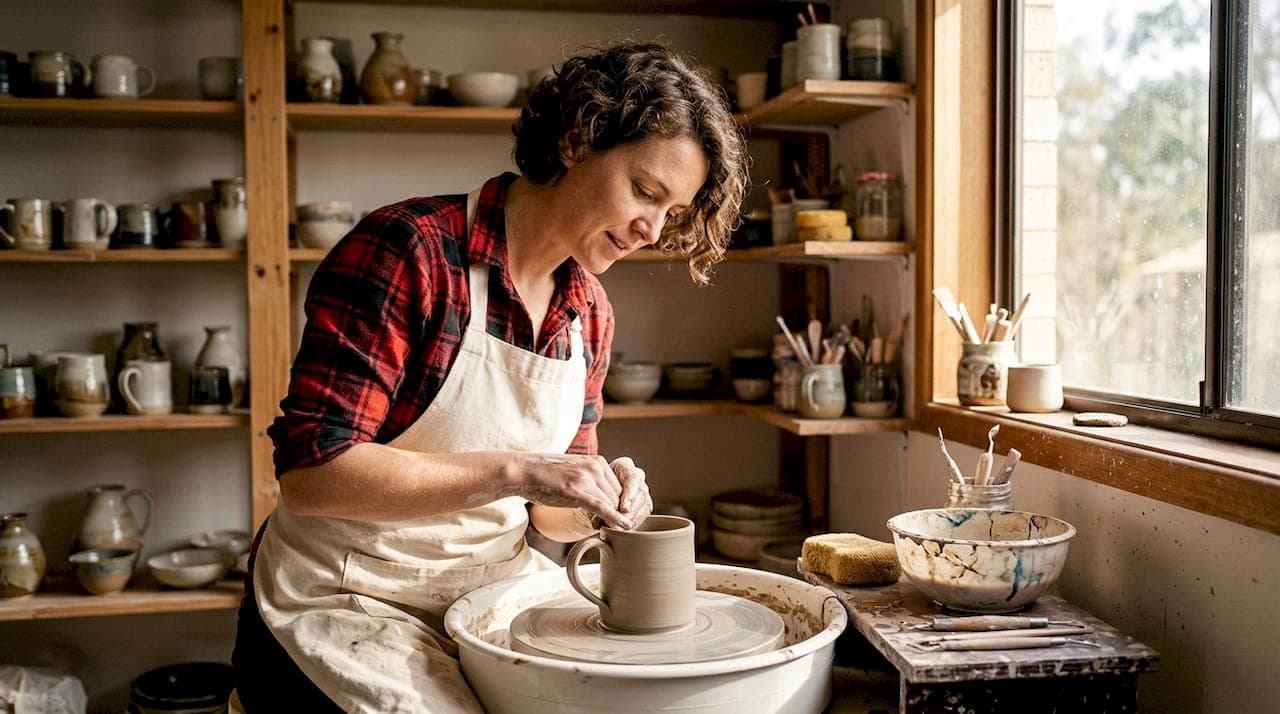
The production process moves through several clear stages. First, the right clay body is selected or blended, often combining stoneware clay with small amounts of other materials to achieve a desired texture or colour. The clay is then shaped, either by hand on a wheel, through slip casting into moulds, or by pressing. After an initial drying period, pieces go through a bisque firing at lower temperatures to harden them before glazing. The glaze is applied, and then the piece is fired again at full stoneware temperatures to seal everything together.
| Ceramic type | Firing temperature | Porosity | Durability |
|---|---|---|---|
| Earthenware | 900–1150°C | High | Lower |
| Stoneware | 1200–1300°C | Very low | High |
| Porcelain | 1260–1400°C | Very low | High but brittle |
Compared to earthenware, stoneware is noticeably denser and far less likely to chip or absorb liquids. Compared to porcelain, it tends to be thicker, heavier, and warmer in appearance, with a more tactile, earthy quality that many people find deeply appealing.
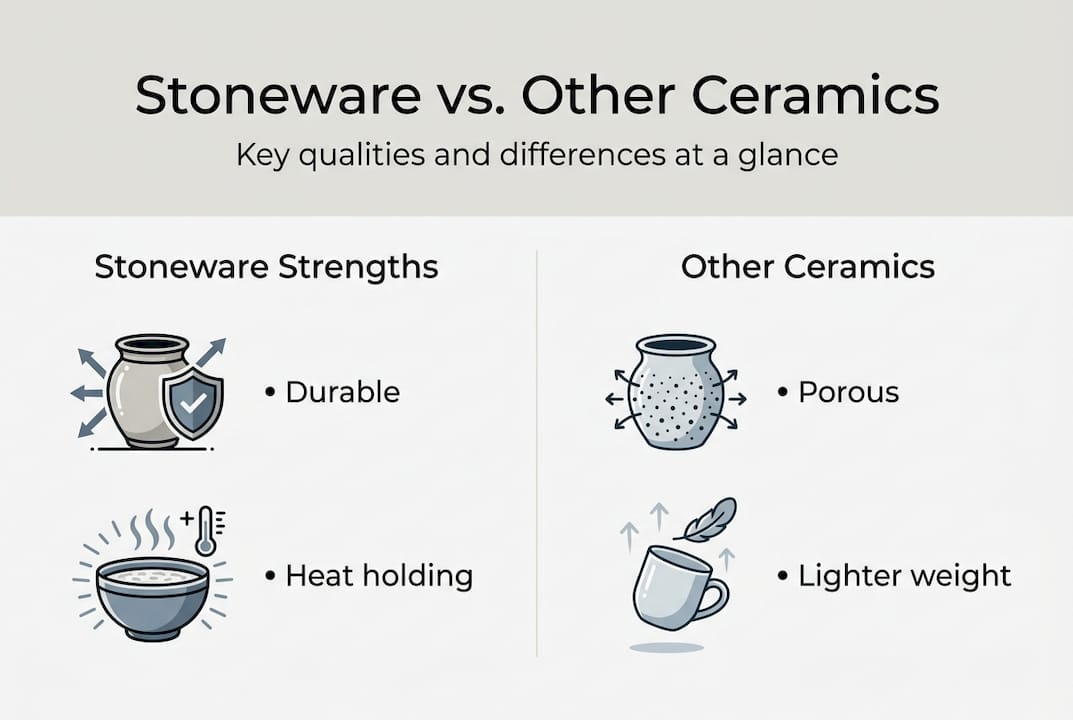
Common applications include mugs, plates, bowls, bakeware, and teapots. Stoneware handles oven and microwave use well, making it genuinely versatile in a modern kitchen.
Key characteristics of stoneware at a glance:
- Dense, non-porous body after firing
- Naturally resistant to chipping and cracking under normal use
- Retains heat well, ideal for hot drinks
- Available in a wide range of glazes and finishes
- Suitable for oven, microwave, and dishwasher use in most cases
Pro Tip: When caring for ceramic mugs, always check whether the base is unglazed. An unglazed base is normal on stoneware and does not affect food safety, but it can scratch surfaces if dragged across benchtops.
Key qualities of stoneware: Everyday use and mindful gifting
Knowing how stoneware is made is one thing. Understanding why those qualities translate into a better daily experience is what really matters when you are choosing pieces for your home or selecting a gift for someone you care about.
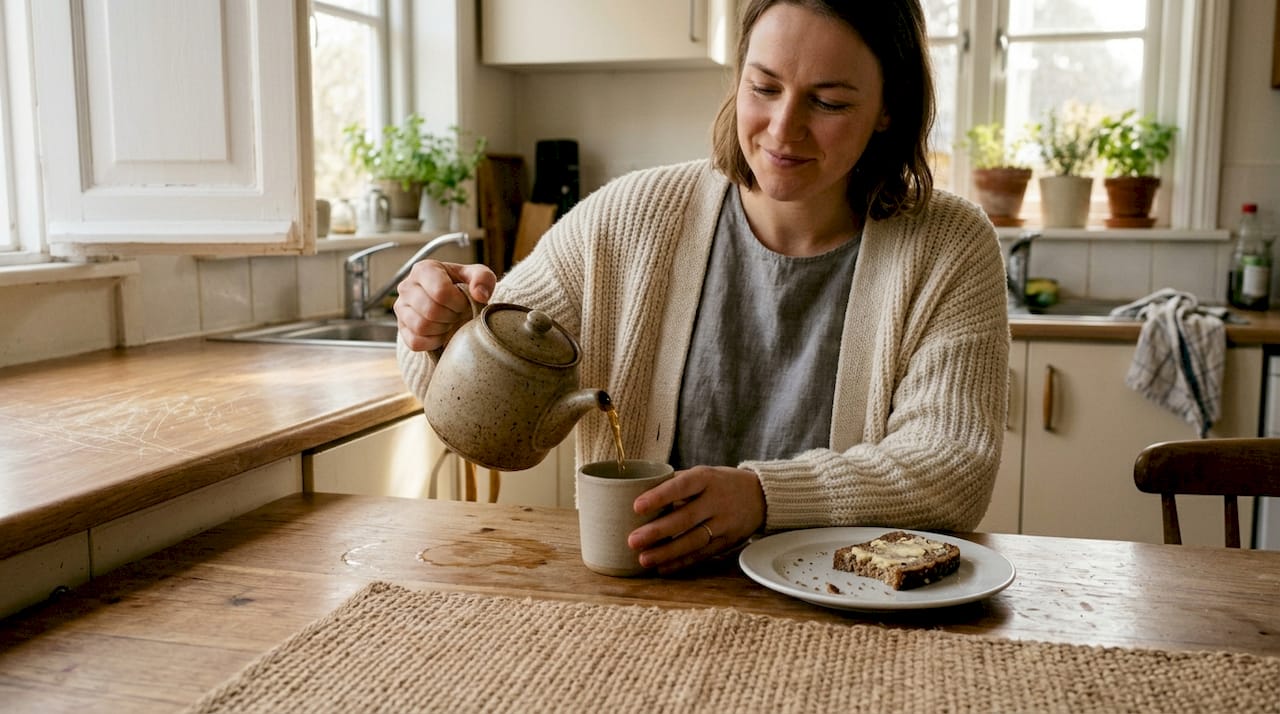
One of stoneware's most appreciated qualities is thermal retention. The dense clay body holds heat longer than thinner ceramics, which means your morning coffee or afternoon tea stays warmer for longer in a stoneware mug than it would in a thin porcelain cup. This is not a small thing. It changes the entire pace of a slow morning.
The weight and feel of stoneware also contribute to the experience. There is a satisfying solidity to holding a well-made stoneware mug. It feels considered, purposeful, and grounded in a way that lightweight alternatives simply do not. Artisan makers use this tactile quality intentionally, shaping pieces that feel good in the hand as much as they look good on a table.
| Quality | Stoneware | Porcelain | Earthenware |
|---|---|---|---|
| Heat retention | Excellent | Good | Moderate |
| Durability | High | Moderate | Lower |
| Weight and feel | Substantial | Light | Moderate |
| Artisan aesthetic | Warm, earthy | Refined, delicate | Rustic |
| Everyday practicality | Very high | High | Moderate |
Food safety is another important consideration. Fully vitrified stoneware with a food-safe glaze is entirely safe for eating and drinking. Modern stoneware is valued for high-end tableware, reflecting a significant shift from its purely utilitarian roots toward genuine artistry and considered design.
For gifting, stoneware offers something rare: it is both beautiful and genuinely practical. A handcrafted Japanese stoneware mug is not a decorative object that will sit in a cupboard. It will be used every single day, which means the person receiving it will think of you each morning.
Why stoneware makes a meaningful gift:
- It is built to last, making it a gift that endures
- Artisanal designs carry a sense of care and intention
- Practical enough for daily use, beautiful enough to display
- Available as curated sets through ceramic coffee mugs collections
Pro Tip: If you are gifting stoneware, look for pieces with a consistent glaze and smooth rim. These details signal quality craftsmanship and will be noticed every time the piece is used.
Stoneware vs. other ceramics: What to look for when choosing
Walking into a homewares shop or browsing online, you will encounter a range of ceramics labelled in different ways. Knowing how to read the differences will save you from disappointment and help you invest wisely.
Visual clues are your first guide. Stoneware tends to be thicker and heavier than porcelain, with a matte or semi-matte glaze finish that often shows subtle texture or variation. The base of a stoneware piece is frequently unglazed or only partially glazed, revealing the raw clay colour underneath, which typically ranges from buff and grey to warm brown. Porcelain, by contrast, is usually thinner, whiter, and more translucent when held to the light.
Earthenware is often brightly coloured and lighter in weight, but it chips more easily and absorbs moisture if the glaze is damaged. It is worth noting that unglazed interiors should be avoided for food safety unless the piece is fully vitrified. This is a useful rule to keep in mind when assessing any ceramic piece.
"The best stoneware pieces feel like they were made for your hand specifically. That is not an accident. It is the result of a maker who understands both material and purpose."
How to spot quality artisanal stoneware:
- Even glaze coverage with no bare patches on the interior
- Smooth, well-finished rim with no sharp edges
- Consistent weight and balance when held
- Subtle texture or variation that signals hand-finishing
- A maker's mark or stamp on the base
For practical selection, think about how the piece will be used. Ceramic tea cups benefit from a slightly thinner wall for delicate teas, while coffee mugs can carry more weight and thickness. For gifting, consider sets that include complementary pieces, as they feel more considered and complete.
If you are ever unsure about a piece, the best approach is to ask the maker directly about firing temperature and food safety. Reputable artisan makers are always happy to share this information. For ongoing guidance on maintaining stoneware, a few simple habits make a significant difference to longevity.
Caring for stoneware: Tips for longevity and beauty
Stoneware is durable, but it rewards a little thoughtfulness. The good news is that caring for it well is genuinely simple once you know the key principles. Proper care keeps stoneware in prime condition for decades, which is part of what makes it such good value over time.
Step-by-step stoneware care:
- Wash gently after each use. Hand-washing with warm water and a mild detergent is always the safest option. It removes residue without stressing the glaze.
- Check dishwasher compatibility. Most quality stoneware is dishwasher safe, but always verify with the maker. High-heat drying cycles can dull some glazes over time.
- Avoid sudden temperature changes. Moving a cold stoneware mug directly onto a very hot stovetop, or pouring boiling water into a piece straight from the freezer, can cause thermal shock and cracking. Let pieces come to room temperature first.
- Do not stack carelessly. Stacking mugs or bowls without protection can chip the rims. Use a folded cloth or silicone mat between pieces if you need to stack.
- Remove stains promptly. A paste of bicarbonate of soda and water left on a stain for a few minutes, then rinsed, is effective and gentle on glazes.
- Store thoughtfully. Keep stoneware in a dry cupboard away from moisture. Unglazed bases can absorb small amounts of water if left sitting in damp conditions.
Pro Tip: For best practices for ceramics, avoid using abrasive scourers on glazed surfaces. A soft sponge preserves the glaze's finish and keeps colours looking vibrant for longer.
One common mistake people make is treating stoneware like indestructible cookware. It is highly durable, but it is still ceramic. Dropping it on a hard tile floor will likely chip or crack it. Handle it with the same care you would give any quality object in your home, and it will reward you with years of daily pleasure.
Our perspective: Why stoneware champions mindful design in Australian homes
Australian tastes in homeware have shifted noticeably over the past decade. There is a growing preference for objects that feel considered, that carry a sense of the maker's hand, and that earn their place in a home through daily use rather than just appearance. Stoneware fits this shift perfectly.
We believe the real value of a quality stoneware mug is not measured at the point of purchase. It is measured in the quiet moments: the early morning coffee before the house wakes up, the afternoon tea that marks a pause in a busy day. These rituals deserve objects that match their intention.
The transformation from utility to artistry is shaping stoneware's modern value in ways that go beyond aesthetics. When you choose a piece of premium Japanese stoneware, you are choosing something made with genuine care, designed to be used, and built to last. That is what mindful gifting looks like in practice. Not a gesture, but a daily companion.
Mindful gifting is not a trend. It is a return to something older and more honest: giving things that matter.
Discover unique stoneware creations for everyday and gifting
If this guide has sparked a desire to bring quality stoneware into your daily routine or find a gift that will genuinely be treasured, Muggie's curated collection is a wonderful place to start.
Each piece in the Muggie range is selected for its artisanal quality, food-safe finish, and the kind of tactile beauty that makes daily rituals feel special. From the beautifully designed Japanese stoneware mug to thoughtfully assembled ceramic gift sets and elegant ceramic tea cups, every option is chosen with the same intention: to bring something genuinely lovely into your everyday life. Browse the collection and find the piece that feels made for your morning.
Frequently asked questions
Is all stoneware food safe?
Most modern stoneware is food safe, but avoid unglazed interiors unless the piece is fully vitrified. When in doubt, ask the maker directly about their firing process and glaze materials.
Can you put stoneware in the dishwasher or microwave?
High-quality stoneware is usually dishwasher and microwave safe, but always check manufacturer guidelines before use. Some glazes and decorative finishes may require hand-washing to preserve their appearance.
What's the difference between stoneware and porcelain?
Stoneware is heavier and less translucent than porcelain, with a warmer, earthier look. As noted, stoneware is more durable and less porous than porcelain, making it particularly well-suited to everyday use.
How do you care for stoneware to keep it looking new?
Hand-wash with gentle detergent, avoid thermal shock by not exposing pieces to sudden temperature changes, and follow the maker's care instructions. Consistent gentle handling, as outlined in this stoneware care guide, keeps pieces looking beautiful for decades.